Voters Approve More Than $13 Billion for Trails, Parks, and Active Transportation
By: Martina Haggerty, Vice President of Infrastructure
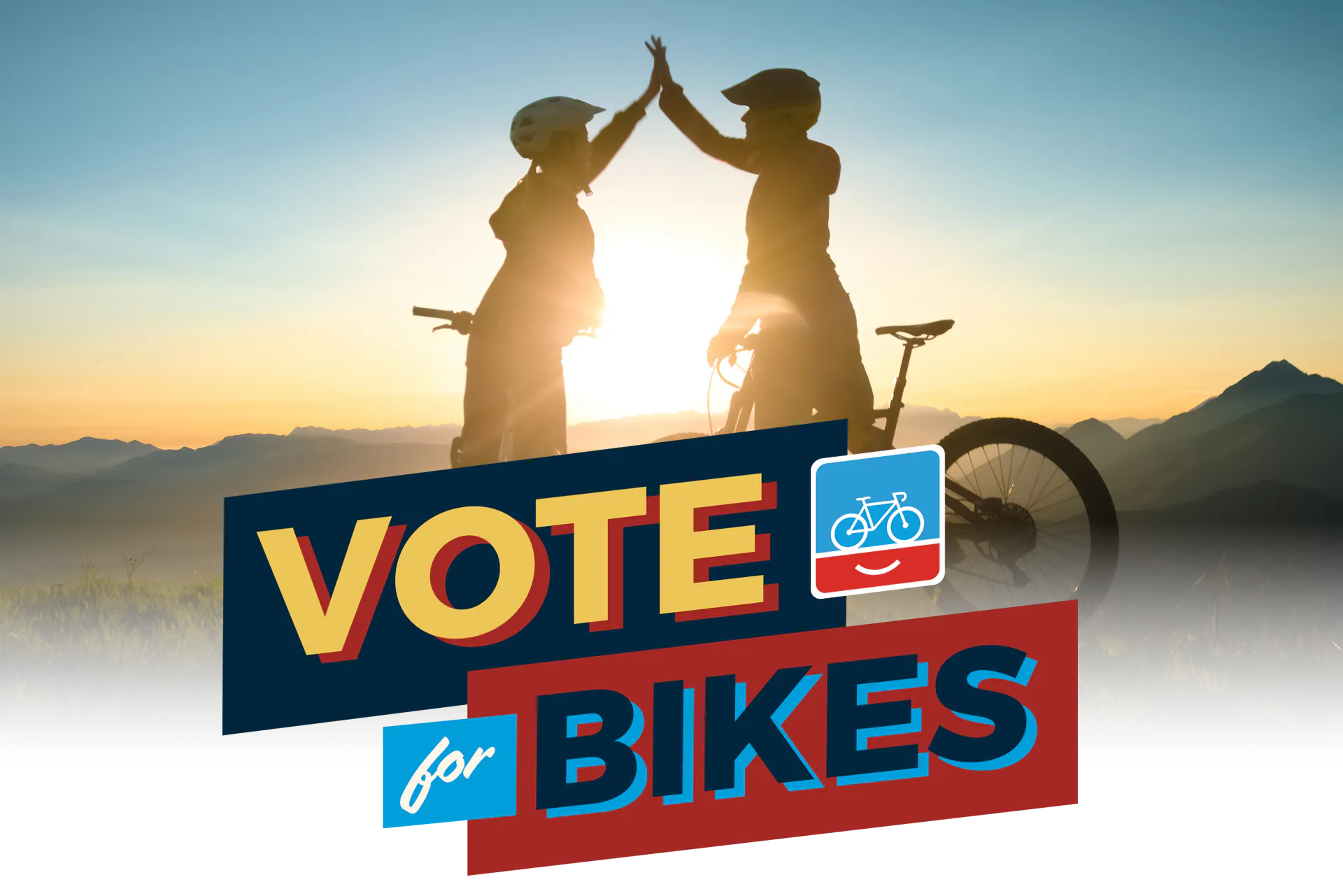
The results reflect continued public support for creating more places to ride and highlight where the bike industry should start building relationships now.
Through VoteForBikes, PeopleForBikes tracks ballot measures that support active transportation, trails, and outdoor recreation in communities across the U.S. In 2026, we tracked and supported more than $18 billion in potential funding across 56 state and local ballot measures in 23 states. Voters ultimately approved more than $13 billion of that funding. Since 2019, voter-approved measures supporting active transportation and outdoor recreation have totaled more than $62 billion.
These investments take many forms. Some provide dedicated funding for bike lanes and trails. Others support parks, conservation, and broader transportation improvements that can make riding safer and more accessible. All help create better places to ride.
Notable Investments in Active Transportation + Trails
Charleston County, South Carolina: Voters approved a $4.25 billion transportation sales tax renewal, including $2.702 billion for transportation projects and $690 million for Greenbelt investments. The transportation program includes bicycle and pedestrian improvements, while Greenbelt funding will protect conservation land, parks, waterways, and scenic corridors.
Raleigh, North Carolina: Raleigh's $101.5 million transportation bond includes $40 million for council-adopted transportation plans and programs, including the Big Jump Active Mobility Plan. The Big Jump supports a goal of building more 50 miles of bikeways over five years.
Bonita Springs, Florida: Voters approved a $35 million bond to acquire and develop the Bonita Estero Rail Trail, including approximately 5.8 miles of new multiuse trail for walking, running and biking. The segment is part of a larger regional corridor envisioned to connect Bonita Springs, Estero and Collier County.
Athens-Clarke County, Georgia: The $239 million transportation program includes $7 million for the Middle Oconee Greenway and nearly $11 million for Eastside Athens Complete Streets, along with additional investments in pedestrian improvements, traffic calming and safer routes.
Salt Lake County, Utah: Voters approved a $128 million recreation bond supporting 30 projects across 25 locations, including 29 miles of new trails, trail repairs and improvements, parks, and open space.
Grand Traverse County, Michigan: Voters approved a dedicated six-year millage to improve and expand the county's nonmotorized recreation and transportation trail network. The millage is expected to generate approximately $2.6 million in its first year.
Tacoma, Washington: Voters approved a $155 million Parks Tacoma bond supporting more than 100 projects, including improvements and development of trails, greenways, natural areas and neighborhood parks.
Turning Voter Support Into Better Places to Ride
These results reflect the hard work of local advocates, community organizations, elected officials, and other partners including the Trust for Public Land.
Through VoteForBikes, PeopleForBikes encourages people to learn about ballot initiatives taking shape in their communities, but passing a ballot measure is the starting point, not the finish line. Communities often must still advocate for the most effective projects, advance planning and design, secure additional resources where needed, and build and maintain the infrastructure.
We're grateful to the advocates, community leaders, partners, and voters who helped make these investments possible. The next step is turning those commitments into safer streets, connected trails, and more opportunities for people to ride in communities nationwide.
What the 2026 Ballot Results Mean for the U.S. Bike Industry
Voter-approved investments in active transportation and outdoor recreation offer an early indicator of where riding opportunities — and potential market opportunities — could expand. The 2026 ballot results point to communities that are investing in regional trail systems, parks, conservation, and transportation connections that can serve a broad range of riders, but the opportunity isn't just where funding passed. It's what gets built, who gains access, and how those investments change the places where people ride.
While funding can take years to reach construction and new infrastructure does not guarantee additional bicycle purchases, the commitments offer an early indication of where riding opportunities could expand and where companies may want to build relationships now.
Here are three takeaways for industry leaders:
Recreational Riding Is Important in Market Planning
A substantial share of the 2026 investment supports parks, greenways, conservation, and multi-use trails, not just urban bike lanes. That matters because these places serve a broad range of riders. Better trail access can create more opportunities for mountain biking, family and recreational riding, youth participation, and electric bicycle (e-bike) use. It can also give people who are new to bicycling more comfortable places to start. Regional trail systems, park networks, and connections between communities are important to expanding access to riding. These projects create opportunities across multiple product categories and riding segments, from mountain bikes and e-bikes to family and recreational cycling.
What companies should pay attention to:
- Projects that create entirely new riding opportunities.
- Connections that link existing trail networks and communities.
- Improvements that make riding more accessible for families and less experienced riders.
- Investments that improve access to trails from population centers.
These details offer a more useful picture of potential participation opportunities than the total dollar value of a bond alone.
Six States and Regions Stand Out as Markets to Watch
- North Carolina: Voters approved investments across urban transportation and outdoor recreation, including $40 million for Raleigh's active mobility and transportation programs, a $30 million open space bond in Buncombe County supporting parks and greenways, and a $10 million transportation bond in Hendersonville to improve Complete Streets, bicycle and pedestrian safety, and connectivity.
- South Carolina: Charleston County voters approved a 25-year transportation sales tax expected to generate up to $4.25 billion, including $2.702 billion for transportation projects and $690 million for greenbelts. The investment includes bicycle and pedestrian infrastructure, conservation land, parks, waterways, and protected natural areas, creating opportunities to expand both transportation and recreational access.
- Texas: Voters in Austin approved $260 million for parks and recreation improvements, while Fort Worth approved $511.5 million for streets and mobility and $185.1 million for parks, recreation, and open space. Fort Worth's investments include opportunities to expand active transportation and recreational corridors, reflecting continued local support for infrastructure that connects communities and improves access to outdoor recreation.
- Washington: Tacoma voters approved a $155 million parks bond supporting more than 100 projects, including improvements to trails, greenways and natural areas. Issaquah voters also approved an $18 million parks and open space bond supporting new trails, trailhead improvements and connections to regional trail systems.
- Florida: Bonita Springs voters approved a $35 million bond to acquire and develop the Bonita Estero Rail Trail, a proposed multiuse trail connecting neighborhoods, parks and businesses. The approximately 5.8-mile Bonita Springs segment is part of a larger regional corridor envisioned to connect Bonita Springs, Estero and Collier County.
These aren't necessarily the markets with the highest near-term sales potential. They are places where public investment could change the riding environment over time.
What companies should pay attention to: Compare these investments with existing dealer locations, distribution coverage, bicycle participation data, and regional sales trends. This can help identify where local retail partnerships, demo events, community rides, or trail programs may be worth supporting.
A statewide funding announcement is a starting point. The specific projects, their timelines, and the communities they serve should guide business decisions.
The Next Few Years Are About Implementation + Staying Engaged
Ballot approval doesn't mean construction starts immediately. Some projects will move quickly, others will take years of planning, permitting, and funding decisions. The details that matter most to riders — project locations, trail connections, and access — may still be under development. That creates an opportunity for the industry to get involved before projects are complete.
Manufacturers, distributors, and retailers can build relationships with local advocacy groups, trail organizations, tourism partners, and public agencies. They can also help connect infrastructure investments with the people and businesses that make riding communities thrive.
Practical ways to get involved include:
- Supporting effective local bike advocacy.
- Joining local project conversations.
- Sponsoring community rides and events.
- Bringing product demonstrations to new and expanding trail networks.
- Partnering with local bike shops on learn-to-ride programs.
Companies should also pay attention to what gets built, not just what gets approved. Useful indicators include PeopleForBikes City Ratings scores, miles of new trails or bikeways, connections to existing networks, and access to population centers.
For companies evaluating a potential market, these indicators can help distinguish a funding announcement from a meaningful improvement in local riding conditions.
Ready to Make a Difference in Your Community?
The PeopleForBikes Backyard Advocacy Toolkit gives bike brands, retailers, suppliers, and industry partners practical strategies to support local advocacy, build relationships with policymakers, expand access to riding, and strengthen their communities. From supporting local bike projects to hosting rides for policymakers, there are many ways to lean into meaningful local action. Explore the Backyard Advocacy Toolkit and find ways to make better biking happen in your community.

Take Action

Donate Now
Bring Better Biking to Your Community