
8 Cities to Watch in PeopleForBikes’ 2026 City Ratings
By: PeopleForBikes Staff
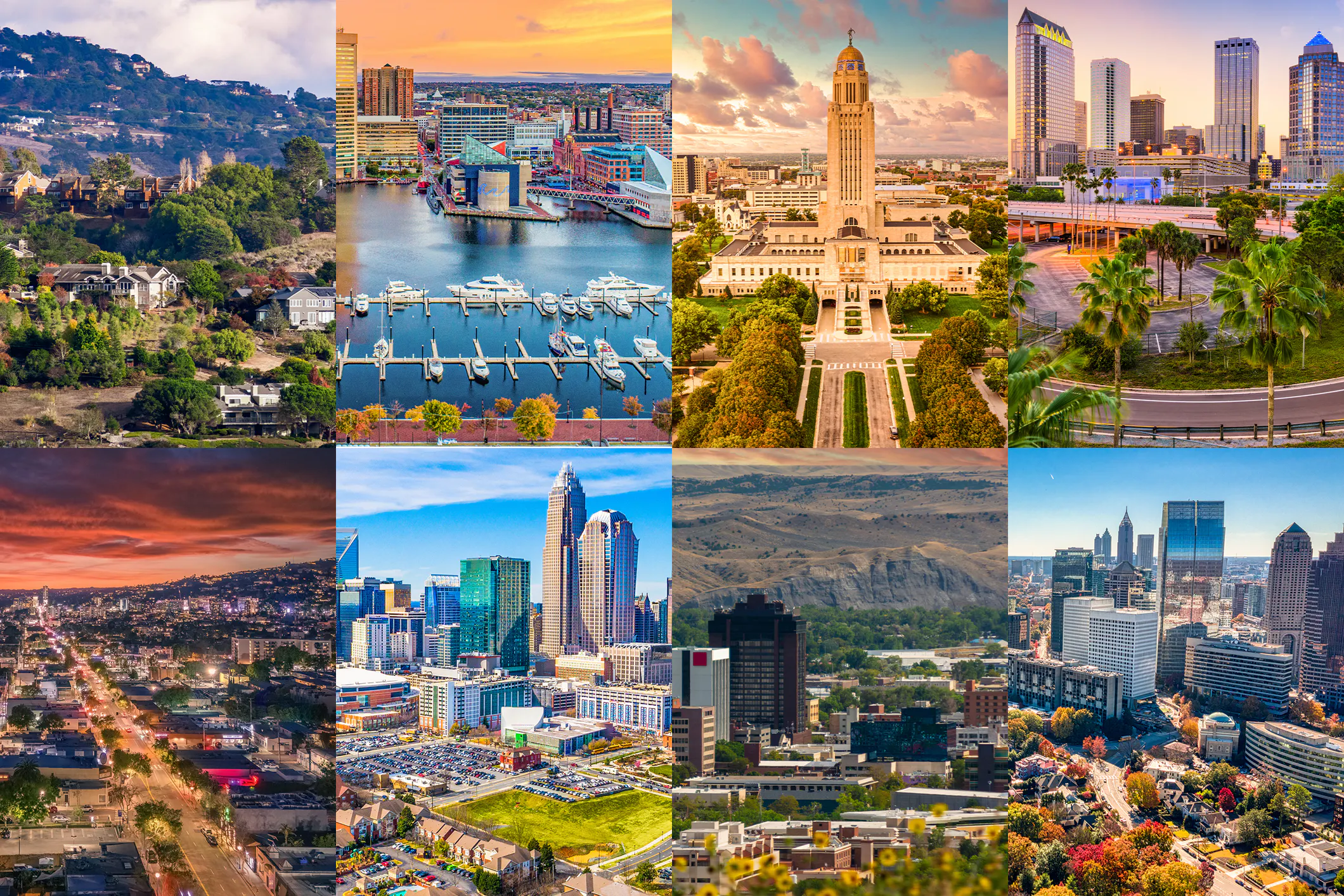
From California to Georgia, cities across the U.S. are putting in the work to make biking better — and their City Ratings scores reflect that progress.
While high scores might get the biggest headlines, some of the most inspiring stories from PeopleForBikes' 2026 City Ratings belong to the cities putting in the work to climb the ranks and improve their scores year after year. We identified eight communities that aren't at the top of the rankings yet, but are investing in the infrastructure, partnerships, and policies that move the needle for making biking safer and more accessible.
2026 Cities to Watch
Mill Valley, California
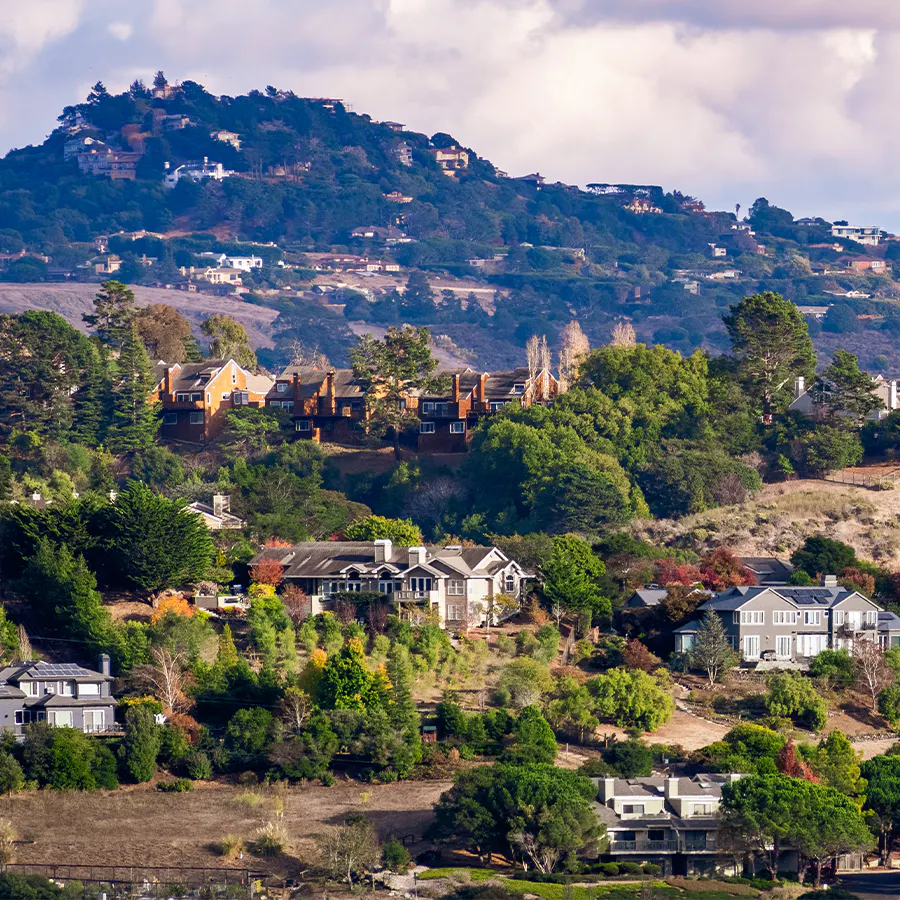
Nestled at the foot of Mount Tamalpais — one of the birthplaces of mountain biking — Mill Valley is balancing its off-road cycling heritage with a serious push to make biking an easy and accessible choice for everyday transportation. The city's Transportation Mobility Advisory Committee is applying PeopleForBikes' SPRINT principles to prioritize protected lanes, lower speeds, and improved connectivity, with Miller Avenue serving as a flagship project for the city. A recently updated bike and pedestrian plan and participation in PeopleForBikes' OpenStreetMap mapathon are helping the city track progress and build toward a City Ratings score that truly reflects the community's ambitions. Learn more about how Mill Valley is building a culture of biking.
Atlanta, Georgia
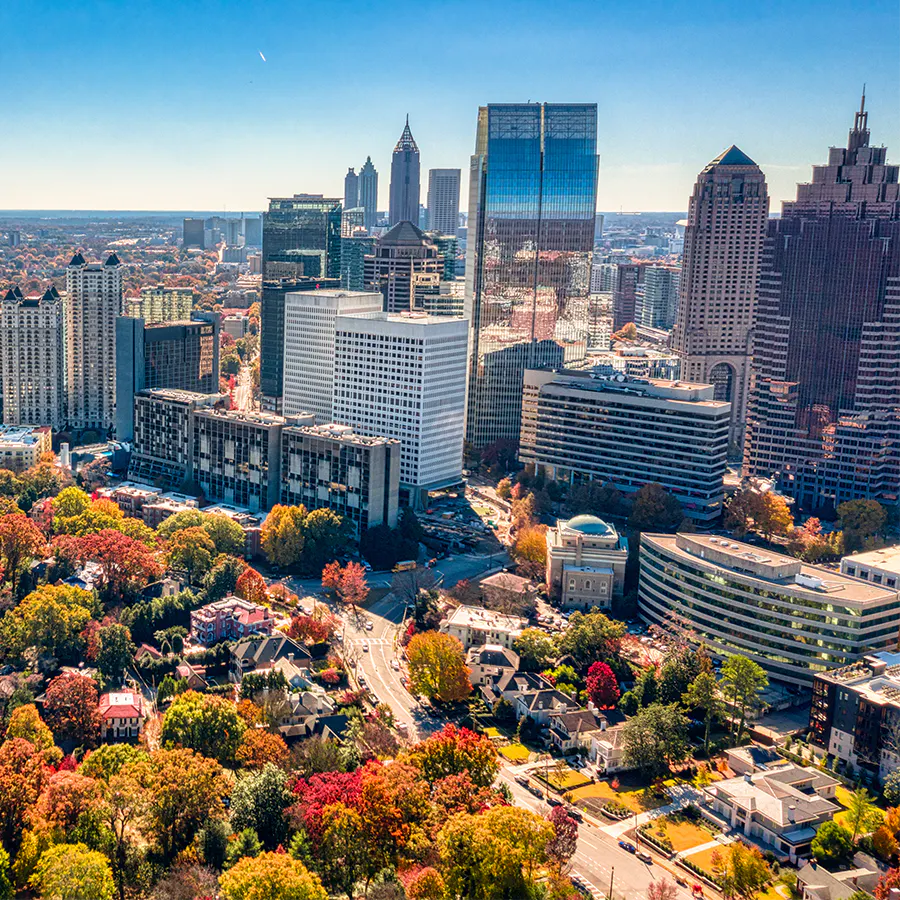
One of the most ambitious urban redevelopment programs in the U.S., the Atlanta Beltline is a 22-mile urban loop of multi-use trails and greenways connecting 45 neighborhoods across the city. More than just improving bike connectivity, the Beltline represents a historic investment in vibrant public spaces, commerce, and arts and culture for the city of Atlanta. Beyond the Beltline, Atlanta's commitment to improving biking is also reflected in the numerous active projects tracked in PeopleForBikes' Great Bike Infrastructure Project (GBIP), ranging from neighborhood connector trails to new protected facilities across the city and surrounding communities.
Charlotte, North Carolina
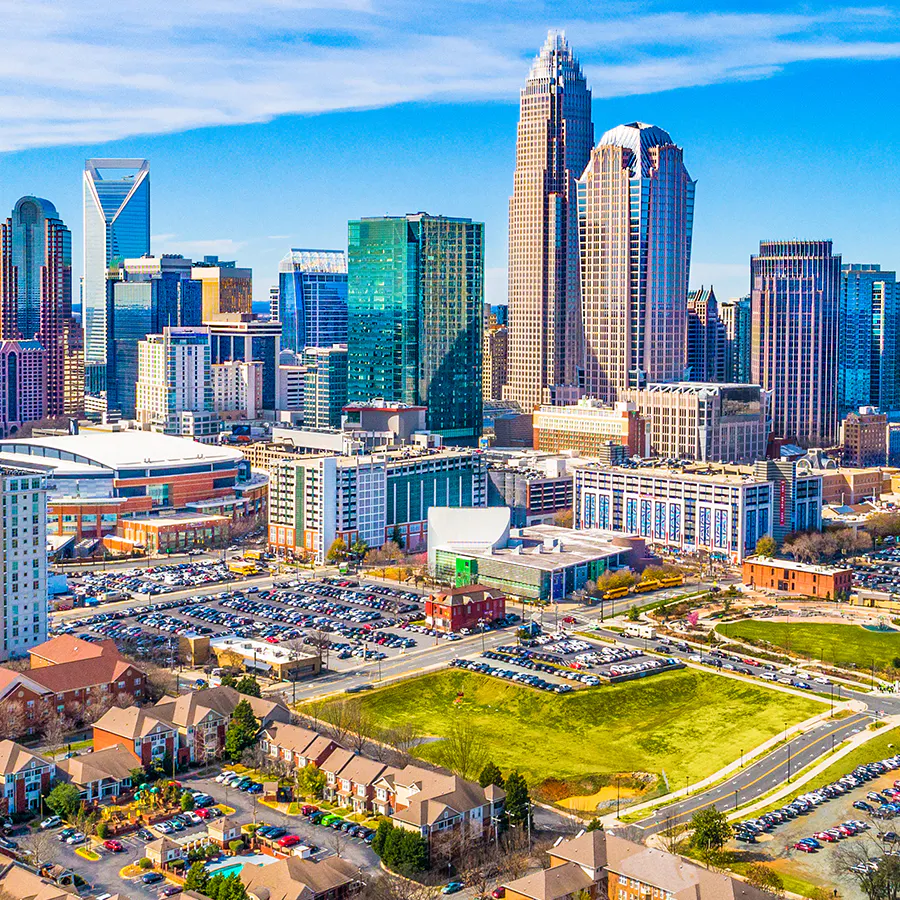
An official member city of the National Association of City Transportation Officials (NACTO), Charlotte leverages NACTO's design resources, including the Urban Street Design Guide and Urban Bikeway Design Guide, to advance their vision for a safer, multimodal community. That investment is beginning to pay off in concrete infrastructure improvements — including the Uptown CycleLink, a 7-mile-long network of separated bike lanes that, once complete, will connect more than 40 miles of bikeways across Charlotte. The recent signing of North Carolina's P.A.V.E. Act also opens the door to a countywide transit referendum that could accelerate multimodal investment in the surrounding Mecklenburg County.
Baltimore, Maryland
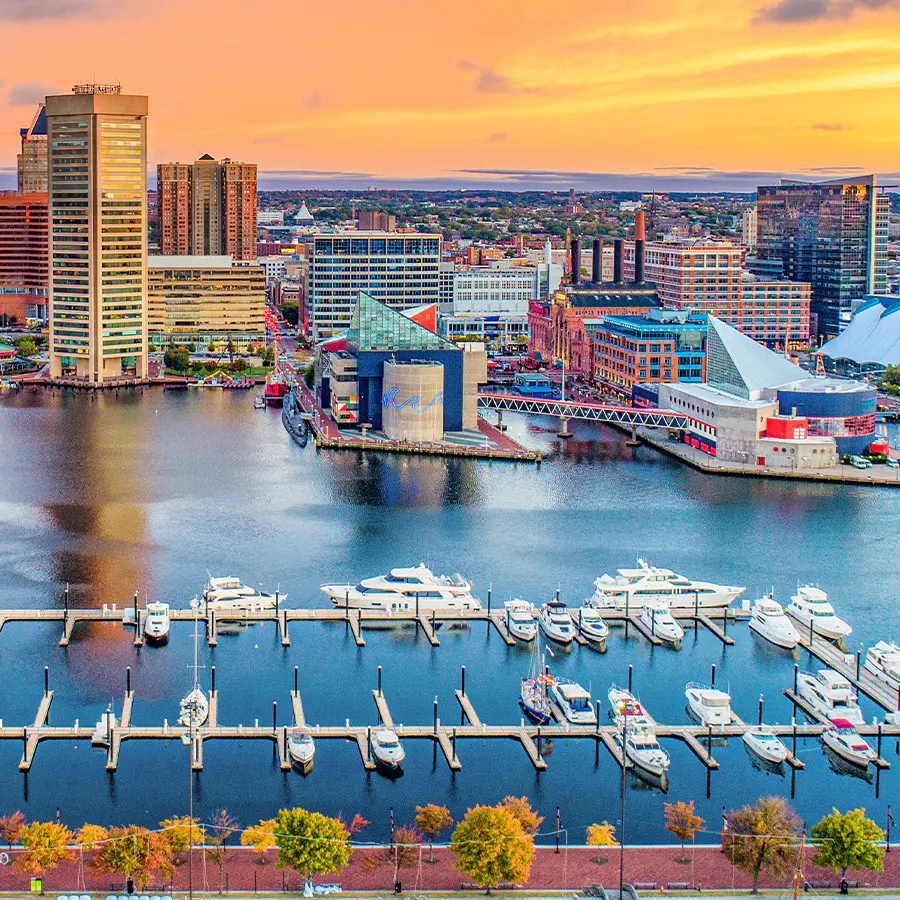
A former Big Jump city, Baltimore made the most of its partnership with PeopleForBikes to make meaningful investments in a connected, low-stress bike network — and the work hasn't slowed down since. The city has an active portfolio of projects in our national bike project tracker, with improvements spanning from large, regional greenways to small, local connector trails. Baltimore's score of 46 puts it just within reach of the 50-point threshold of becoming a great place to ride, making it one of the most compelling near-term success stories to follow.
West Hollywood, California
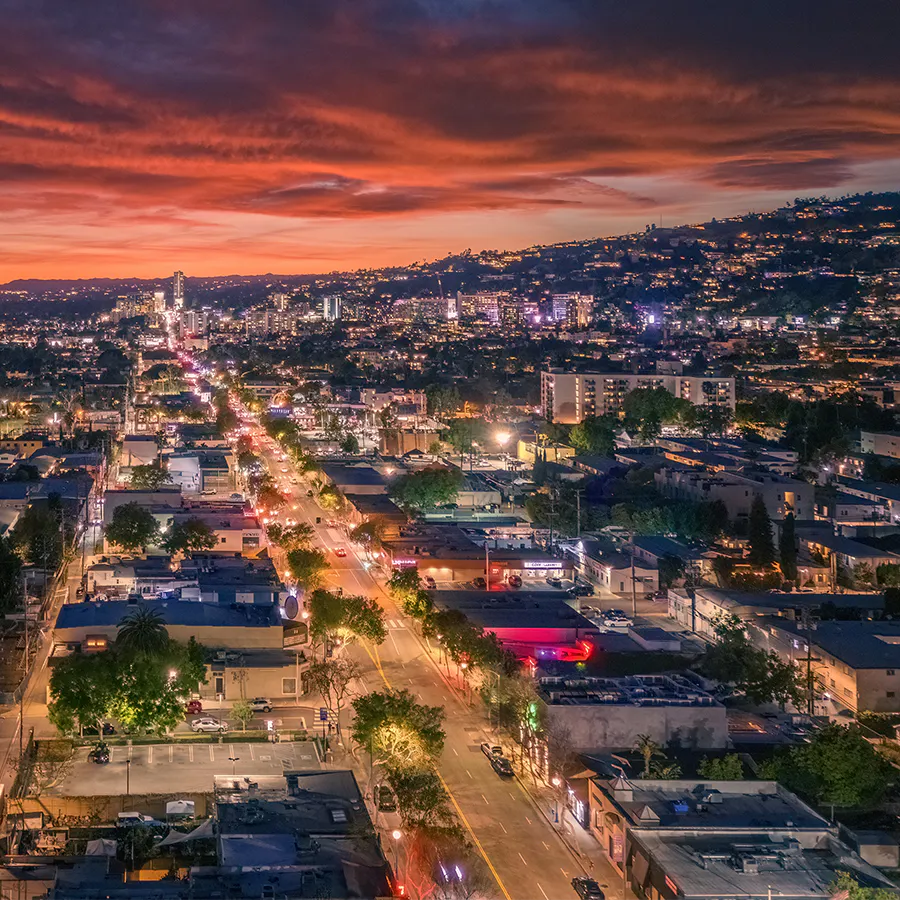
West Hollywood has been making big moves for better biking in recent years. In April 2025, the city council unanimously committed to building only protected bike infrastructure on future street projects — the first city in the Los Angeles area to do so — and followed it up by painting all existing bike lanes green on Fairfax Avenue, San Vicente Boulevard, and Santa Monica Boulevard for improved visibility. With the 2028 LA Olympics on the horizon, West Hollywood's premier location in LA positions it as a key corridor for the broader active transportation push underway across Los Angeles ahead of the Games.
Tampa, Florida
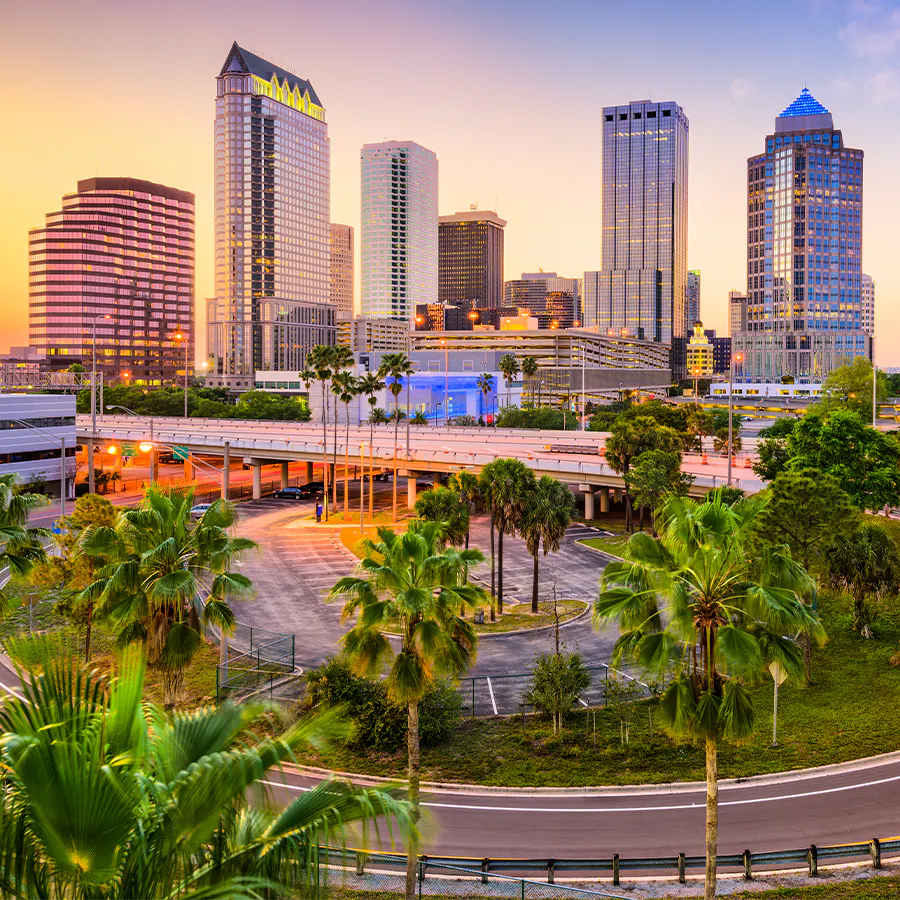
Tampa is nearing the finish line on a bike infrastructure project nearly a decade in the making. The Green Spine Cycle Track — an east-west protected bikeway running through downtown, Ybor City, and East Tampa — is in its final construction phase, with the completed 3.4-mile route expected to wrap by late summer 2026. Funded primarily through federal grants, the Green Spine features raised concrete dividers separating cyclists from traffic and will connect to the Tampa Riverwalk and link neighborhoods across the city.
Lincoln, Nebraska
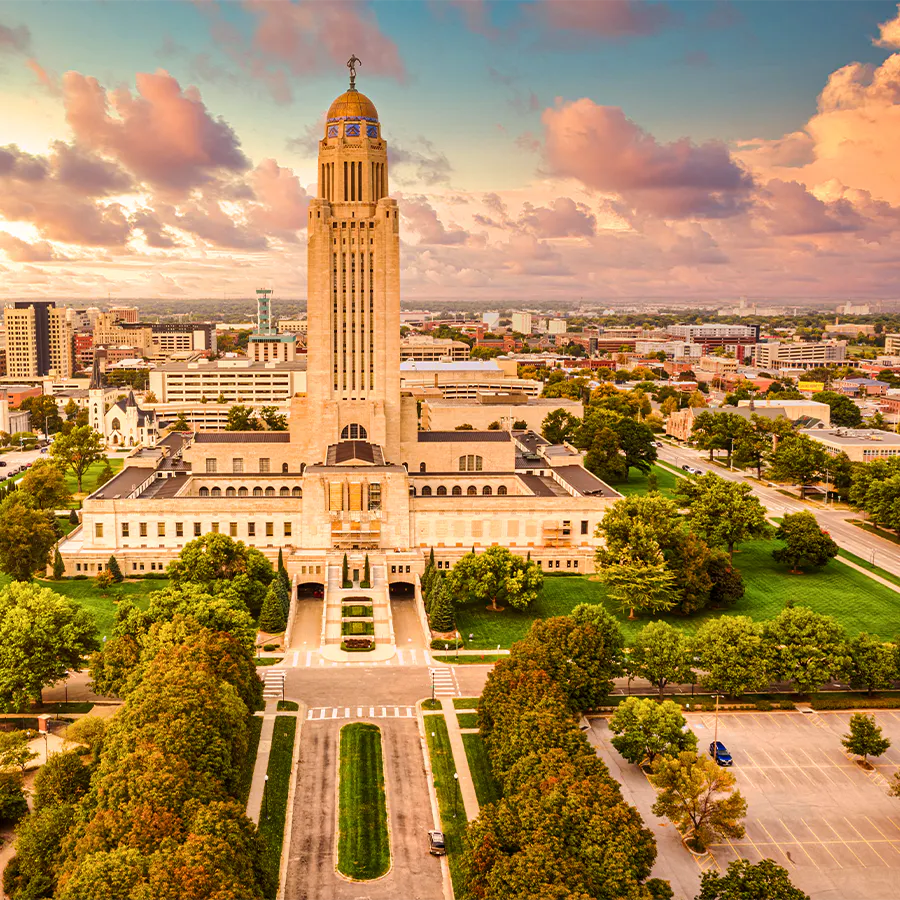
Nebraska's capital city has slowly built one of the most impressive trail networks in the Great Plains, and its 130-plus miles of trails and bike lanes now anchor a system that the American Planning Association recognized as one of the Great Public Spaces in America. The centerpiece of Lincoln's push for better biking is the N Street Protected Bikeway — Nebraska's first protected bikeway — which connected the city's trail network to the Haymarket district, Pinnacle Bank Arena, and the University of Nebraska-Lincoln campus. That investment sparked a broader build-out, with our national bike project tracker reflecting active and completed projects across the city, including the Fletcher Landmark Trail, Chris Beutler Trail, and a critical hike-bike trail connection that will link Omaha and Lincoln.
Billings, Montana
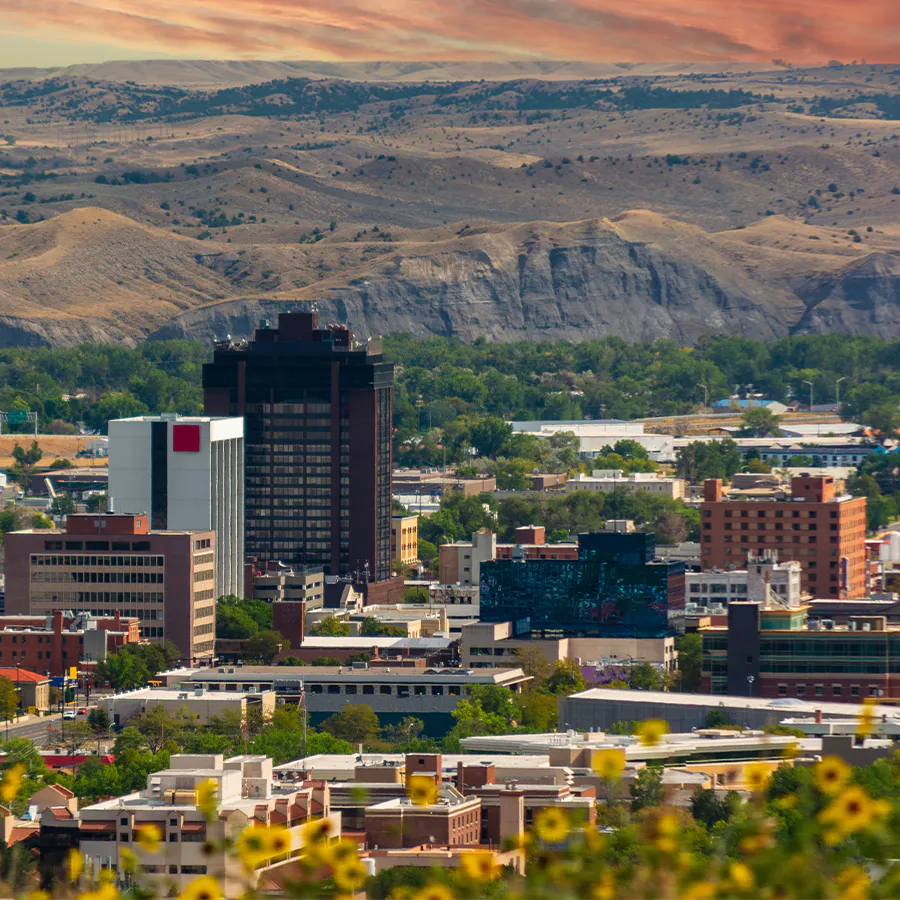
As Montana's largest city, local advocates and city planners in Billings are working to ensure that quality biking keeps pace with recent population growth. Local nonprofit Billings TrailNet has been a driving force behind infrastructure expansion, with a goal of making active transportation and recreation an integral part of everyday life in the city. Active and recently completed projects include the Stage Coach Trail, Skyway Drive, Marathon Loop, North 31st Street, and 3rd Avenue North — investments that are steadily expanding access for residents and visitors across the city.
Related Locations:

Take Action

Donate Now
Bring Better Biking to Your Community