

PeopleForBikes Testifies on CPSC Proposed Battery Rule, Calls for Federal E-Moto Action
By: Chris Bell, Director of Federal Policy
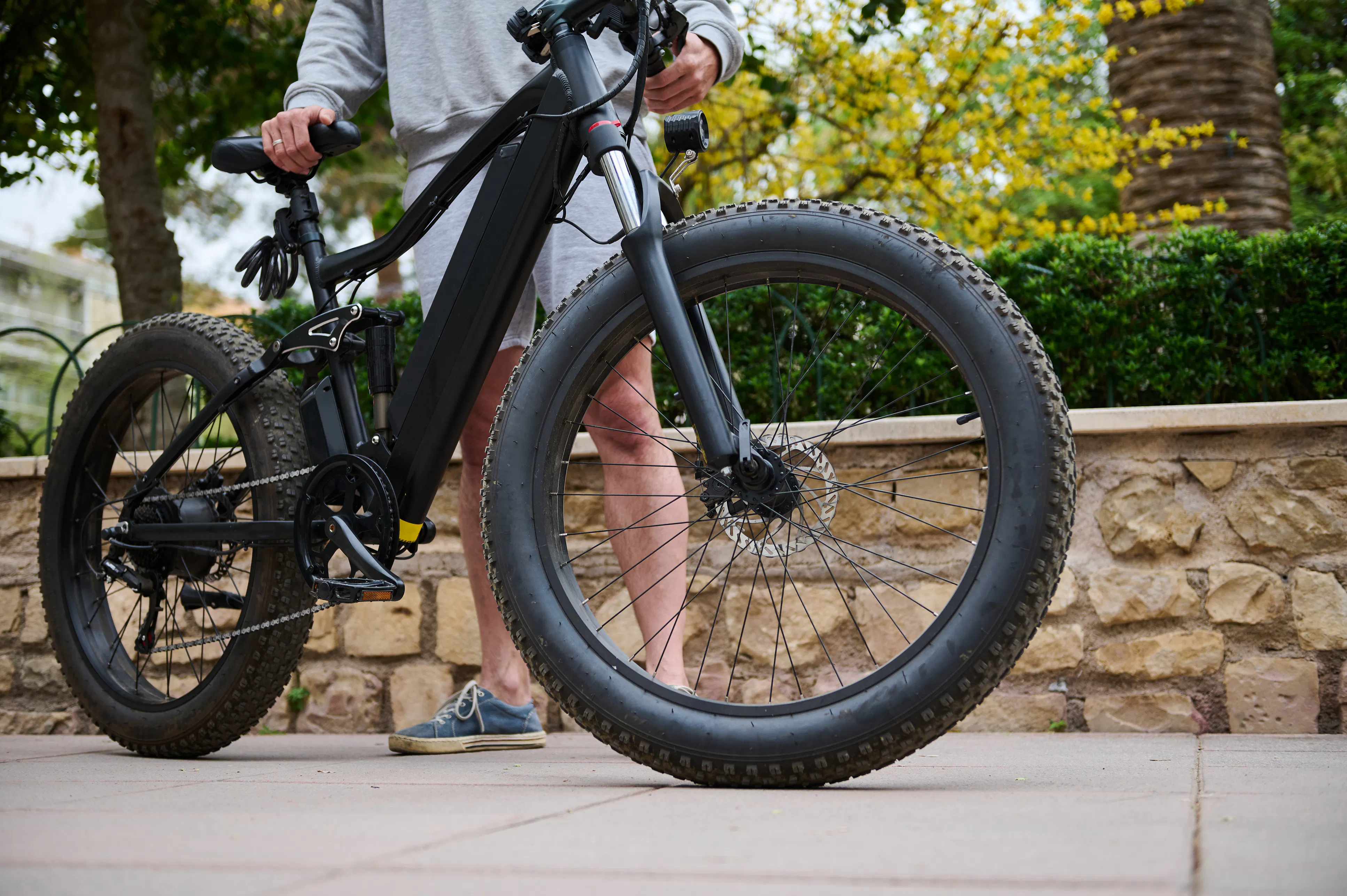
The testimony presented suggestions to strengthen the proposed rule and protect the electric bicycle category.
On Wednesday, October 21, PeopleForBikes participated in a U.S. Consumer Product Safety Commission (CPSC) hearing involving stakeholder testimony on the CPSC’s June 2026 proposed rule that would set mandatory federal battery safety standards for electric bicycles and other e-mobility products.
PeopleForBikes Policy and General Counsel Matt Moore provided expert-written comments and oral testimony on behalf of the U.S. bicycle industry. PeopleForBikes’ testimony before the CPSC presented suggestions to strengthen the proposed rule, including gathering additional data to better support the rule and adopting UL standards without modification.
The primary focus of PeopleForBikes’ testimony was the electric motorcycle (e-moto) safety problem that is increasingly affecting communities across the country. The issue stems from consumers unknowingly purchasing higher-speed e-motos deceptively marketed as “e-bikes.” The e-moto safety crisis disproportionately affects teenagers and youth, and has resulted in many high-profile crashes and fatalities.
PeopleForBikes made the following suggestions to the CPSC to strengthen the rule and improve e-moto safety:
1. Use the statutory definition of “low-speed electric bicycle.” The rule as written does not include the existing statutory and regulatory definition for “low-speed electric bicycle.” Instead, the rule uses a generic definition of “e-bike” that makes it unclear which vehicles the rule applies to, perpetuating confusion among consumers, law enforcement, and policymakers.
2. Separately define e-moto devices. E-motos, equipped with powerful motors capable of high speeds up to 60 mph, are clearly beyond the capabilities and legal definition of a low-speed electric bicycle. Some e-motos lack operable pedals and are sold as off-road electric dirt bikes, which fall within the jurisdiction of the CPSC.
3. Adopt mandatory electrical safety standards for off-road e-motos. Since the CPSC has jurisdiction over off-road e-moto devices, but electric cycles without pedals fall outside the scope of UL 2849-20, the final rule should also establish electric safety standards for these devices.
4. Do not validate conversion kits as legitimate consumer products. Conversion kits present a critical safety risk to consumers because they enable consumers to re-manufacture conventional bicycles into faster motorized vehicles, and in some cases into motor vehicles, that exceed the structural design strength of the original bicycle and the capabilities of its components. The resulting untested vehicle would be considered hazardous if offered for sale.
The CPSC has a key role to play in setting federal safety standards for electric bicycles and e-motos. PeopleForBikes has repeatedly called on both the CPSC and the National Highway Traffic Safety Administration (NHTSA) to work together to identify deceptive e-moto products that are avoiding the required safety standards, and to enforce those standards against their manufacturers, importers, and distributors.
You can read PeopleForBikes’ submitted testimony here, as well as our full comment on the rule here.

Take Action

Donate Now
Bring Better Biking to Your Community