

2025 Marks a Record-Setting Year for Expanding Electric Mountain Bike Access
By: Rachel Fussell, Senior Manager of Recreation Policy
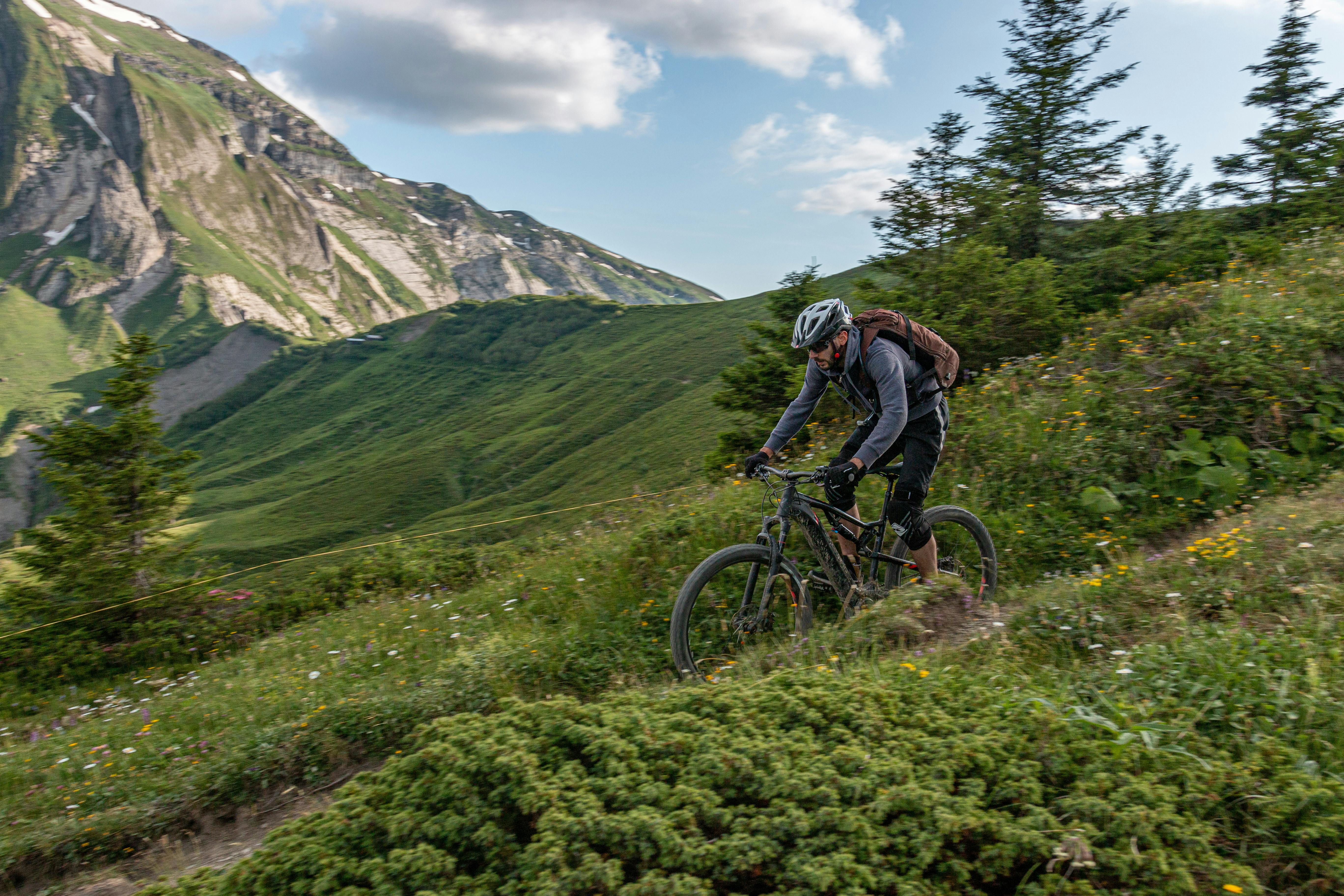
PeopleForBikes helped open 17,686 new miles of trails to Class 1 eMTBs across the United States in 2025, the biggest single-year expansion to date.
2025 is a historic year for expanding access for electric mountain bikes (eMTB) on trails nationwide. Through persistent advocacy, strategic partnerships, and a shared vision for the future of trail recreation, PeopleForBikes helped open 17,686 new miles of trails to Class 1 eMTBs across the United States, the biggest single-year expansion to date.
From the desert landscapes of Utah to the lush forests of Oregon to the coastlines of New England, this progress reflects a growing recognition that Class 1 pedal-assist mountain bikes belong on trails and that greater access to recreational infrastructure is a big win for every community.
Federal land agencies led some of the most impactful access wins of the year. In Moab, Utah, where PeopleForBikes has engaged on this issue for years, the Bureau of Land Management (BLM) approved Class 1 eMTB access on 211 miles of world-renowned mountain bike trails, allowing electric mountain bikes alongside traditional bikes on non-motorized routes starting March 1, 2026.
In Oregon, the Deschutes National Forest opened 161 miles of trails to Class 1 eMTBs, officially designating 67 trails within the Sisters and Bend-Fort Rock Ranger Districts. Meanwhile, in California, the Lake Tahoe Basin Management Unit added 106 miles of existing trails as open for Class 1 e-bike use. They also approved 25 miles of new multi-use trail construction, ushering in a new era of inclusive recreation planning.
Other key wins included new Class 1 authorizations on nearly 31 miles of trails in Oregon’s Thirtymile Recreation Area and expanded access across six trail systems managed by the BLM in Cedar City, Utah. These decisions represent a coordinated shift toward modernizing trail policies across public lands to reflect how people of all ages and abilities are riding bikes today.
At the state level, legislatures and local agencies also played a critical role in expanding eMTB access this year. South Dakota added Class 1 e-bike access to the George S. Mickelson Trail, opening 109 miles of scenic riding through the Black Hills. In Marin County, California, a two-year Class 1 pilot program is moving forward on watershed roads. These efforts demonstrate the power of local leadership in expanding responsible access.
Additionally, states are recognizing the need for harmonized trail policy to make it easier for riders to explore trails without navigating a patchwork of local restrictions. Connecticut updated its statewide policy to allow Class 1 eMTBs on all natural surface trails that already allowed traditional bicycles. In Rhode Island, Class 1 electric bicycles are now allowed on bike trails and paths managed by the state’s division of parks and recreation. Oregon modernized its statewide regulations to allow Class 1 e-bikes wherever traditional bicycles are permitted — including natural surface trails, beaches, and state parks — marking one of the most comprehensive statewide access reforms to date.
Beyond trail designation changes, 2025 also saw major progress in new trail development. In Sedona, Arizona, the Red Rock Ranger District approved the Red Rock Trails Access Plan Phase II, which includes more than 21 miles of new trail construction, reroutes, and adoption of popular social trails. In Idaho, the Palisades Ranger District authorized new trail construction and realignments to improve the local network, setting the stage for future eMTB inclusion as federal definitions continue to evolve. Trail expansion and thoughtful planning go hand in hand with access. These projects ensure that growing ridership is met with sustainable, well-designed places to ride.
With 17,686 miles of trail opened to Class 1 eMTBs in 2025, this year stands as a true milestone for modern trail policy. These wins didn’t happen overnight — they reflect years of collaboration among land managers, advocates, riders, and policymakers who believe in making trails welcoming, accessible, and sustainable for all.
Learn more about PeopleForBikes’ eMTB and recreation policy work by visiting our website and join us in helping shape the future of trail access. Together, we can keep the momentum rolling for access to more and better trails across the nation.
Related Locations:

Take Action

Donate Now
Bring Better Biking to Your Community