
Riding Together: How El Tour de Tucson Boosts Participation, Community, and the Local Economy
By: Jose Maldonado, Chief Marketing Officer
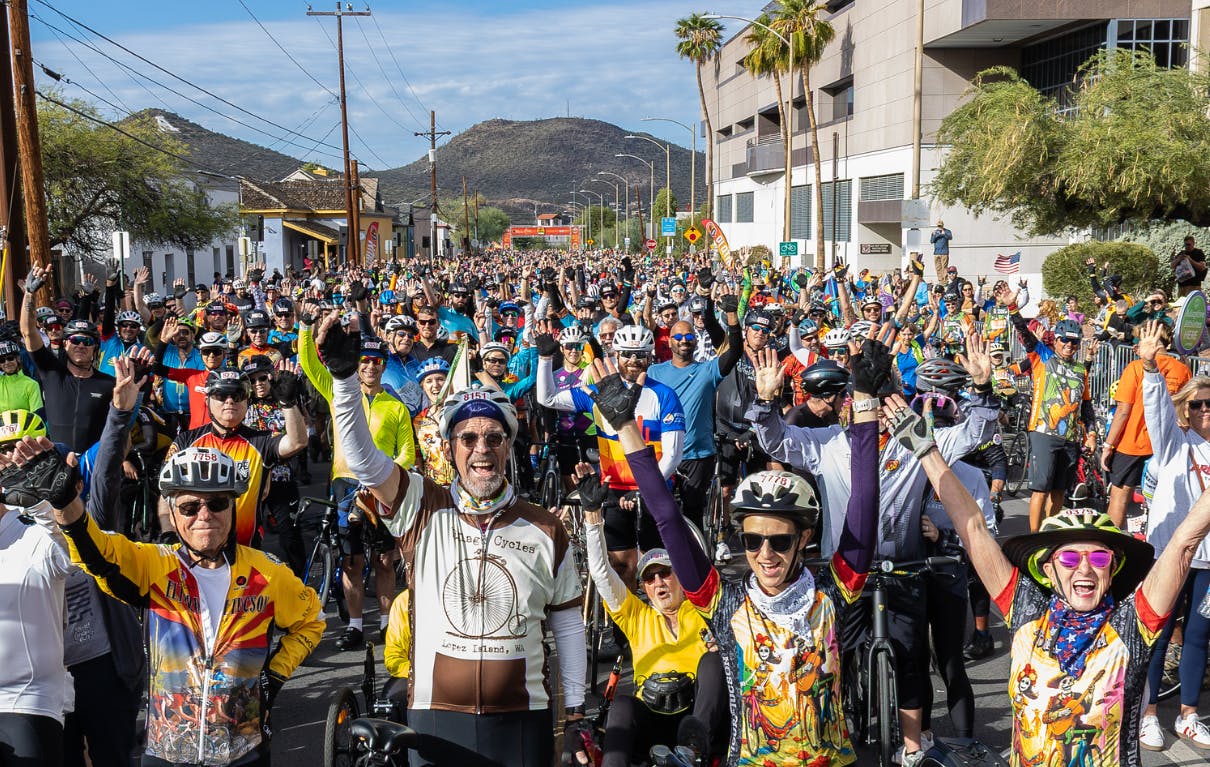
With more than 11,000 participants — 60% of them first-timers — the 2025 El Tour de Tucson proves that large-scale bike events fuel rider growth, community connection, and economic impact.
Photo courtesy of Kathleen Dreier
Each year, thousands of riders descend on the desert city of Tucson, Arizona, for one of America’s most iconic cycling events: El Tour de Tucson. In 2025, more than 11,000 participants took part, a clear sign that events like these aren’t just surviving, they’re thriving. Even more compelling, nearly 60% of riders were new to the event, underscoring how mass-participation rides are driving growth by inviting new people into the joy of bicycling.
“We’re seeing incredible momentum. It’s a sign that people are not only riding more, they’re craving community and challenge," said T.J. Juskiewicz, executive director of El Tour de Tucson. “Events like El Tour are more than races — they’re economic drivers, charitable engines, and invitations to ride for a cause. That’s why we’re seeing families, first-timers, and pros line up together.”
Events That Build the Participation Flywheel
PeopleForBikes’ recent blog series on ridership trends highlights the need to focus on converting casual interest into lasting participation. Events like El Tour de Tucson are doing just that, creating moments that spark a deeper connection with bicycling and the broader bike community.
This year’s event welcomed riders from 49 states and 12 countries. Gender and age breakdowns show the ride is truly intergenerational and inclusive, with a strong turnout among women and riders over 50. As we noted in our blog, these are exactly the kinds of riders that can transform the long-term health of bicycling if we nurture their experiences beyond one-time events.
El Tour is also an on-ramp for people inspired by platforms like Peloton. Former pro cyclist and current Peloton instructor Christian Vande Velde was in Tucson for a pre-ride event, drawing fans who first connected with him virtually but then showed up in person to participate. It’s a clear example of how digital cycling platforms can be a bridge to outdoor riding and real-world connections.
“It was amazing meeting riders who told me they started with Peloton and came to Tucson to experience their first real group ride. That’s what cycling can do. It builds confidence, changes lives, and brings people together,” said Vande Velde. “I’ve raced around the world, but nothing compares to the energy of 11,000 people riding for something bigger than themselves.”
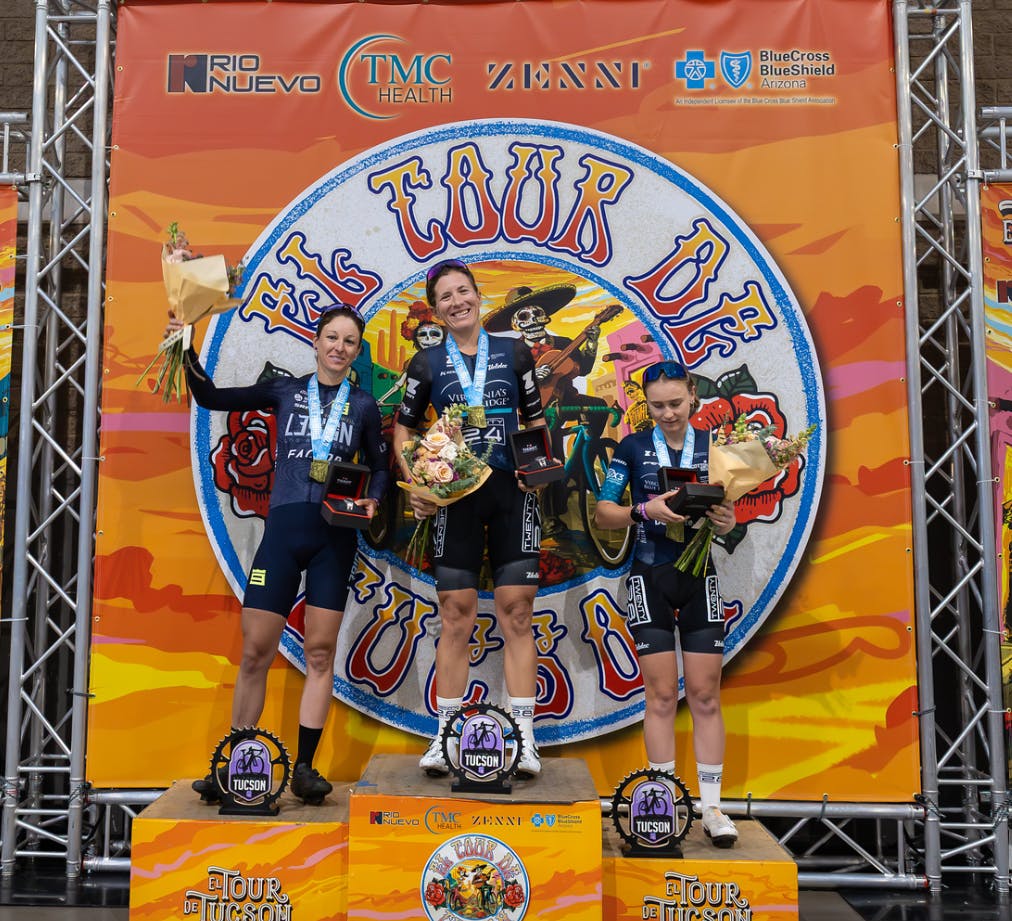
Photo courtesy of Kathleen Dreier
Why This Event Matters
For nearly 40 years, El Tour has been a mainstay in Tucson’s cultural and economic calendar. In addition to offering ride distances for all ages and abilities, from the 102-mile flagship ride to shorter, family-friendly routes, the event serves as an entry point for new cyclists, a reunion for seasoned riders, and a celebration of mobility, fitness, and fun. This year’s ride welcomed participants of all ages, backgrounds, and experience levels:
Gender Breakdown: 41% female, 59% male
Age Range: Youth to riders aged 80+
Participants by Distance:
- 102-mile: 40%
- 62-mile: 27%
- 32-mile: 19%
- 10-mile and fun ride categories: 14%
This kind of accessibility is critical for growing the base of casual riders, a key theme in our work at PeopleForBikes.
A Force for Local Economic Impact
The story doesn’t end with participation. El Tour is one of Tucson’s largest tourism draws and economic engines, often cited as the city's second-largest economic driver behind the Tucson Gem Show. Riders, families, vendors, and sponsors bring millions in local revenue, and that’s before you count the ripple effect on bike shops, restaurants, and hotels.
This ties directly to our blog, Where People Ride Bikes, People Buy Bikes, which shows how strong participation creates meaningful returns for local economies. When cities invest in events and infrastructure that welcome riders of all abilities, everyone benefits — businesses, communities, riders, and more.
A Model for Other Communities
As cities across the U.S. look to grow participation and reap the rewards of active transportation, El Tour de Tucson offers a replicable playbook:
- Create a welcoming, inclusive ride experience
- Invest in safe and scenic routes for year-round riding
- Partner with schools, nonprofits, and businesses to drive local involvement
- Build cross-sector support from public health, economic development, and tourism partners
Inspiration With Staying Power
Participation numbers tell one story. The real magic is in what happens afterward. El Tour builds habits, confidence, and a sense of belonging that stays with people long after they cross the finish line. Events like these don’t just drive single-day activity, they fuel the long-term success of the bicycle industry and healthier, more connected communities nationwide.
Related Locations:

Take Action

Donate Now
Bring Better Biking to Your Community