
Where People Ride Bikes, People Buy Bikes
By: PeopleForBikes Staff
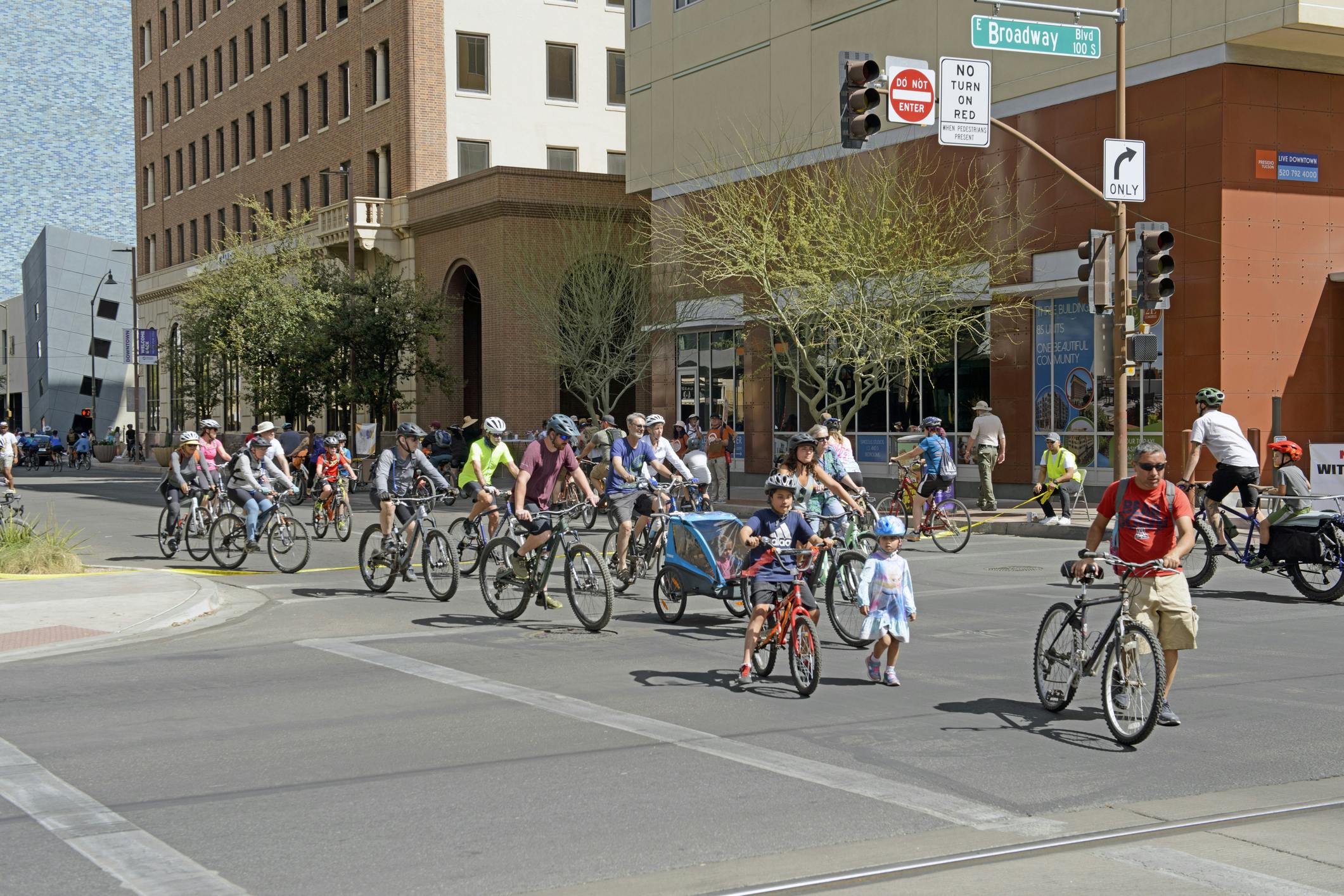
Data from 500+ U.S. cities shows a direct link between accessible places to ride and bike shop revenue.
PeopleForBikes is leading the charge to better understand and grow the base of people who ride bikes in America. In support of this work, our new blog series explores what the latest research tells us about who’s riding, how often, and why it matters for the future of bicycling and the bike industry.
Read More:
Why Bicycling Participation Matters and What’s Next
Engaging Casual Participants to Grow Bicycling
Supporting Youth Participation to Grow Bicycling
In the second blog of this series, we shared data suggesting that creating more great places to ride, close to home, is one of the most important things we can do to grow participation. It turns out that getting more people on bikes isn’t the only benefit of building great places to ride. In fact, connected bike networks also lead to increased sales at local bike shops.
PeopleForBikes’ Bicycle Network Analysis (BNA) measures how easily people of all ages and abilities can get to the places they want to go by bike, safely and comfortably. Scores range from 0 to 100, with higher scores indicating that the local bike network functions similar to the road network.
In 2019, Georger Data Services (GDS) provided PeopleForBikes with estimates of total bike shop revenue in more than 500 cities across the country. To test the theory that better bike networks lead to increased bike shop sales, we compared these estimates against the BNA scores for the given cities.
Consider Boulder, Colorado, and Ann Arbor, Michigan, as examples. Both cities are college towns and about the same size. In 2019, Boulder’s BNA score was 62, whereas Ann Arbor’s was 35, and average IBD sales in Boulder were 9 times higher than those in Ann Arbor.
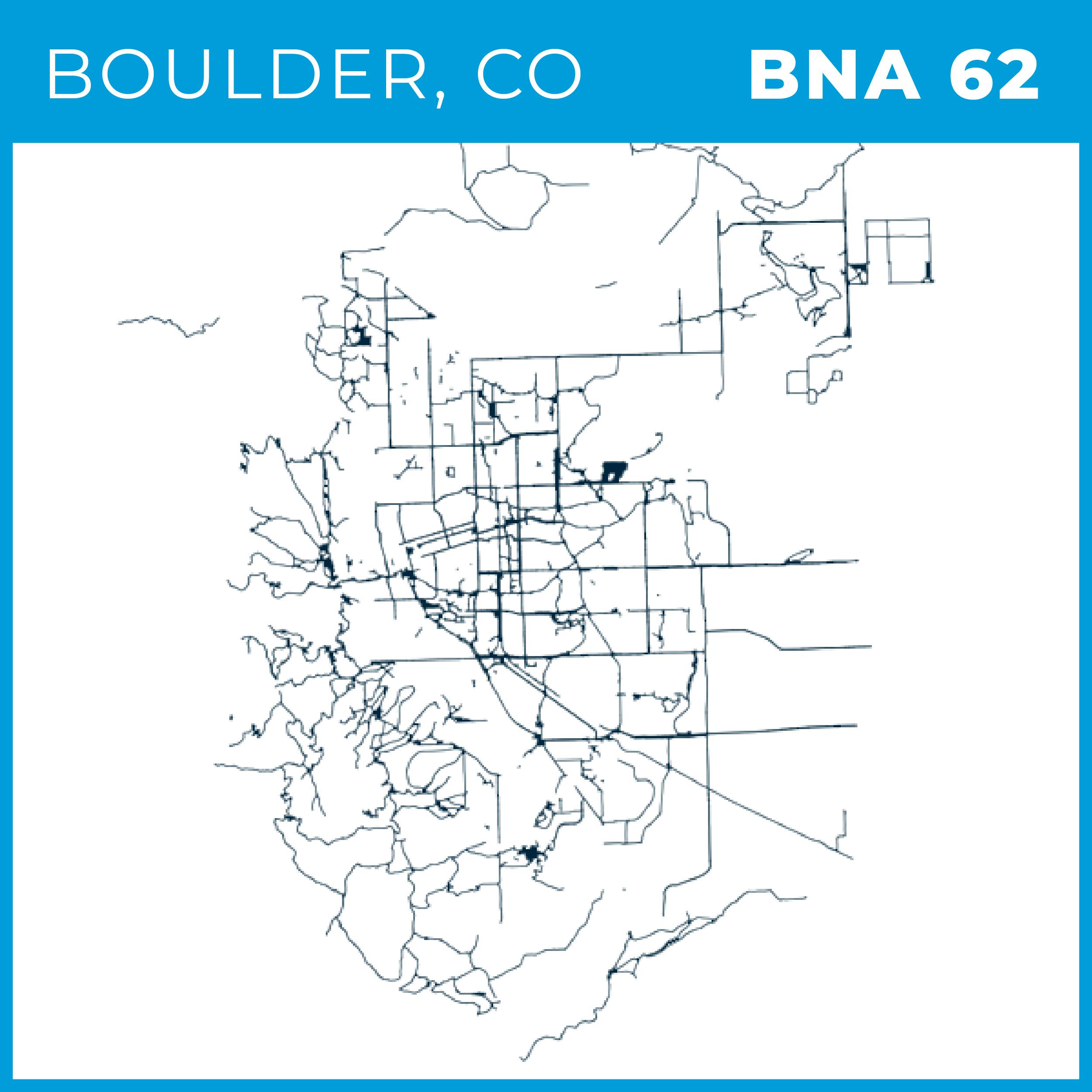
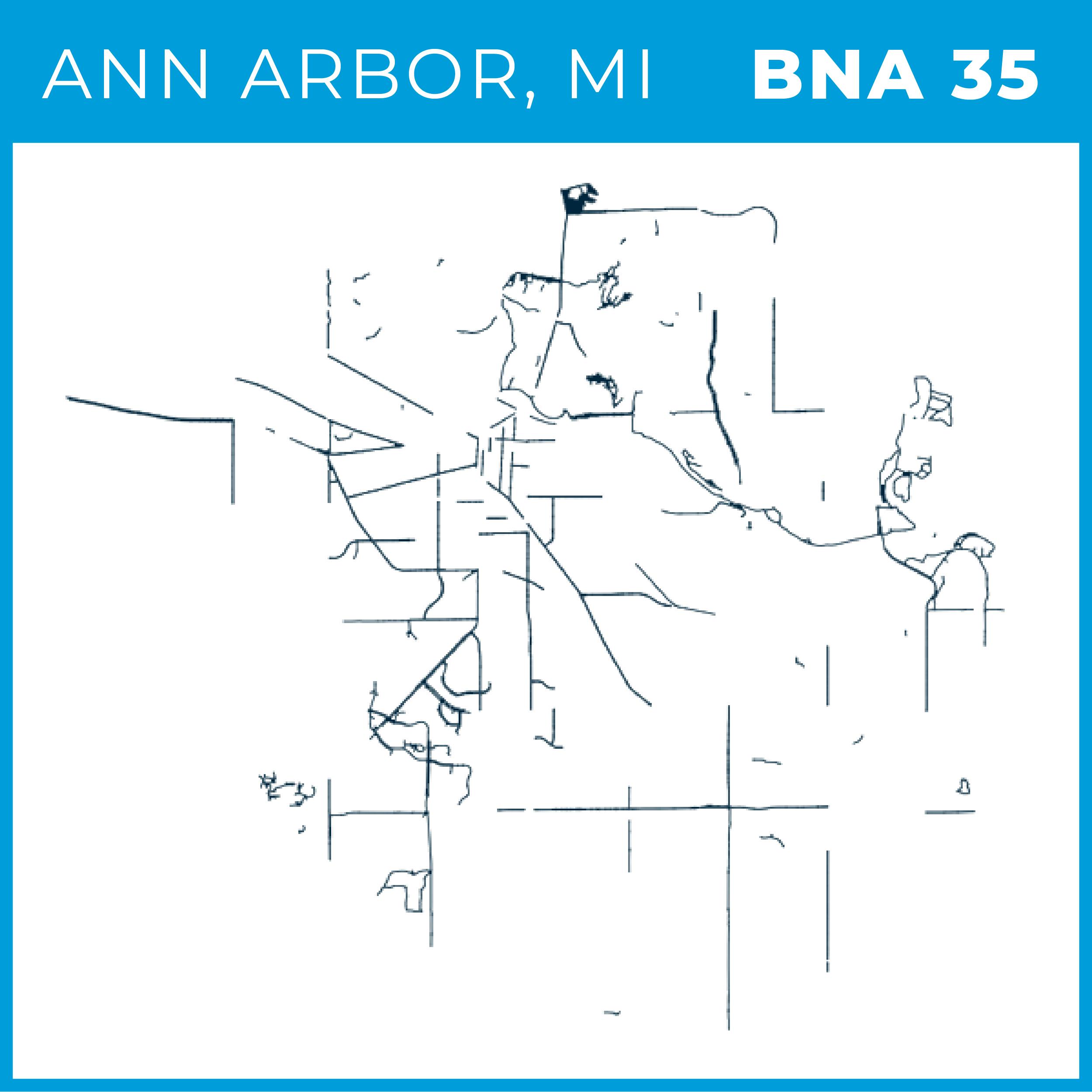
This pattern held true across the 500+ cities we analyzed. Communities with BNA scores of 50 or higher had average IBD sales that were 3 times higher than communities with BNA scores under 50.
The actual experience of bike shops in communities that have invested in great places to ride aligns with our analysis.
Justin Brown, owner of Revolution Bicycles in Arcata, California, called the Humboldt Bay Trail a “game changer” for his shop. When the trail was completed in July of 2025, connecting Arcata to Eureka (12 miles), he saw a boost in families and children riding as well as more people commuting to work. This increase in ridership translated into higher service and e-bike sales.
“I looked at our quarterly Ascend report and though most shops were down in Q3 2025, we were up, and that is directly related to the Humboldt Bay Trail,” says Brown.
Brown has also seen sales growth thanks to a new purpose-built mountain bike trail nearby. “Because of that trail we are seeing younger riders in the shop. Dirt jump bike sales have increased and parents are coming into the shop to buy bikes for their kids to ride at the Community Forest Trails.”
Chad Pickard from Spoke-N-Sport in Sioux Falls, South Dakota, reported a similar pattern.
“I owned Spoke-n-Sport in Sioux Falls for 20 years, and I can say without question that bike infrastructure made a real difference for us,” he says. “Sioux Falls has a 20-mile paved trail that circles the city, with only a couple of traffic crossings. That trail brought countless new riders into our shop. People felt safer and more confident exploring by bike, and that translated into sales and long-term customers.”
There aren’t many investments that deliver as many positive impacts as building better places to ride: more livable communities, healthier people, safer transportation options, and stronger local economies. If that’s not enough, here’s one more reason: connected bike networks lead to a better bottom line for the bike industry.
A special thanks to Justin Brown and Chad Pickard for sharing their experiences. Their stories are powerful reminders that when communities invest in safe, connected places to ride, ridership grows — and so does retail.

Take Action

Donate Now
Bring Better Biking to Your Community