
Congress Considers Recreational Trails Program Funding
By: Chris Bell, Director of Federal Policy
As Congress works on the 2026 surface transportation bill, the Recreational Trails Program (RTP) faces critical funding decisions that will impact trail development, bike access, and outdoor recreation across the U.S.
The Recreational Trails Program (RTP) is a critical federal funding source that supports trail construction, maintenance, and connectivity across the United States. As Congress considers the 2026 surface transportation reauthorization bill, a process they go through about once every five years, decisions on RTP funding will directly impact bike infrastructure, outdoor recreation access, and local economies nationwide. Congress must pass a reauthorization bill before existing funding expires on September 30, 2026. Ahead of this important deadline, PeopleForBikes wrote a letter to the lead authors of the bill in support of the Recreational Trails Program.
What is the Recreational Trails Program?
RTP is a federal funding program dedicated to the construction, restoration, and maintenance of both paved and unpaved recreational trails and trail-related facilities. Created in 1991, RTP allocates funding to every state. Funding is split among different types of trail use: states must allocate 30% to motorized use, 30% to nonmotorized use, and 40% to shared trail use.
What Kind of Projects Does RTP Fund?
RTP has funded thousands of projects across all 50 states. Examples include:
- Portneuf Greenway (ID): Located in southeast Idaho, the Portneuf Greenway is an 18-mile paved trail with a goal to provide a connected trail network through the communities of Pocatello and Chubbuck. More than 27 additional miles are currently planned for future development. The existing trail network connects commercial and residential areas to Idaho State University, recreational opportunities like local parks, and tourist attractions such as the local zoo and museum.
- The Northern Rail Trail (NH): Located in western New Hampshire, the 58-mile Northern Rail Trail provides year-round access to a variety of users, from bicyclists and equestrians to cross-country skiers and snowmobilers.
- Crawford Hills County Park (WI): This Wisconsin park provides more than 100 miles of trails accessible to motorcyclists, ATV riders, bicyclists, and hikers.
Whether you're looking for bike trails, multi-use paths, or other outdoor recreation infrastructure near you, RTP investments are likely already shaping opportunities to get outside in your community. To learn more about RTP projects, check out this article or explore this database from our partners at the Rails to Trails Conservancy.
What Is Congress Considering?
As part of the reauthorization bill, Congress is considering how much funding to dedicate to the Recreational Trails Program. The last federal surface transportation bill, the 2021 Infrastructure Investment and Jobs Act (IIJA), authorized $84 million annually for RTP. Funding for RTP has remained level at $84 million per year since 2009.
Importantly, evidence shows that RTP is significantly underfunded. When Congress created RTP in 1991, they authorized the program's funding to come from fuel tax receipts paid by motorized trail users: off-highway recreational vehicles such as motorcycles, ATVs, and snowmobiles. However, RTP funding levels have not kept pace with the rising fuel tax revenue generated by these vehicles. In 2021, at the direction of Congress, the Federal Highway Administration published a study that found off-highway recreational vehicles pay an estimated $281 million per year in federal fuel taxes. PeopleForBikes also supports increasing funding for the Recreational Trails Program without impacting funding for the Transportation Alternatives Program, another critical program that funds essential infrastructure for
people biking and walking.
Why RTP Funding Matters for the Bike Industry and Outdoor Recreation Economy
The Recreational Trails Program is critical to the bicycle industry and to the outdoor recreation economy.
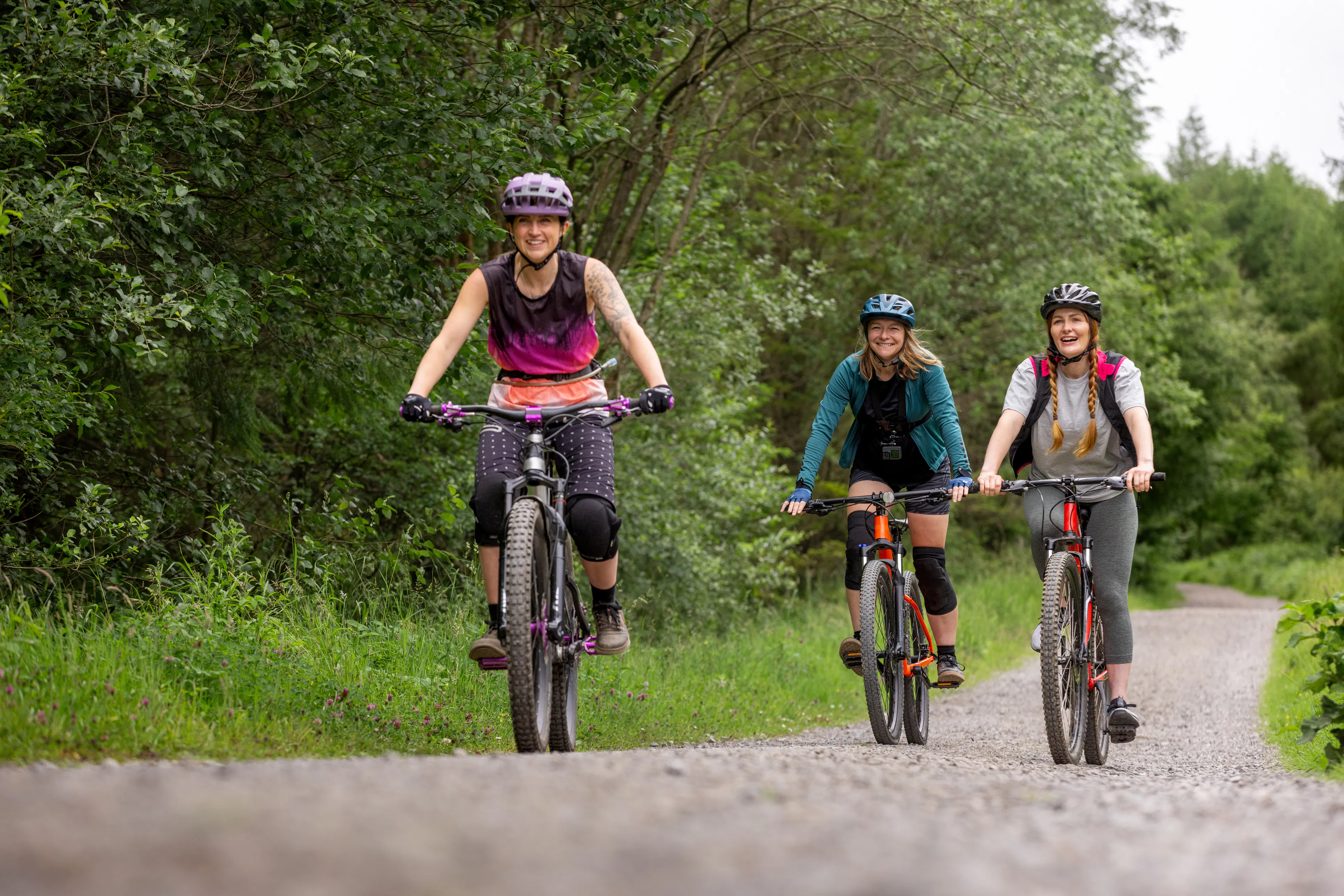
For the bicycle industry, RTP funds the construction and maintenance of paved and natural surface trails that serve as both transportation connections and recreational opportunities for riders of all kinds, benefiting everyday commuters, casual family riders, avid enthusiasts, and more.
For the outdoor recreation economy, access to safe, well-maintained trails is crucial. The quality and quantity of outdoor recreation opportunities directly benefits the outdoor recreation industry, including bicycle brands and bicycle apparel brands. Access to trails is also key to stimulating local economies. RTP trails can be major tourist attractions and provide access to larger destinations, such as national parks. Adjacent communities also benefit greatly from bicycle tourism — according to the Outdoor Industry Association, bicycle tourism generates more than $83 billion in trip-related spending each year.
Broadly, new data from the Outdoor Recreation Roundtable shows just how important it is to invest in outdoor recreation infrastructure. In 2024, outdoor recreation generated more than $1.3 trillion in economic impact (2.4% of U.S. GDP) and 5.2 million jobs. Outdoor recreation participation is up, and demand for our outdoor recreation infrastructure has never been higher. Investing in outdoor recreation infrastructure and programs like the Recreational Trails Program is vital to ensuring a prosperous outdoor recreation experience and economy for all.
What Happens Next?
PeopleForBikes wrote a letter to congressional leaders in support of the Recreational Trails Program. We are advocating for reauthorizing the Recreational Trails Program, alongside other key federal programs for bike infrastructure funding like the Transportation Alternatives Program (TAP).
You can help make a difference by contacting your senators and representatives to let them know how important the Recreational Trails Program is to your business and community. Reach out to PeopleForBikes Director of Federal Policy Chris Bell at chris@peopleforbikes.org if you would like additional assistance contacting your elected officials.

Take Action

Donate Now
Bring Better Biking to Your Community