
Rebuilding the Ride to School
By: Ryan Birkicht, Director of Communications
One day of riding to school is a great start — here's what it takes to make biking a habit kids keep for life.
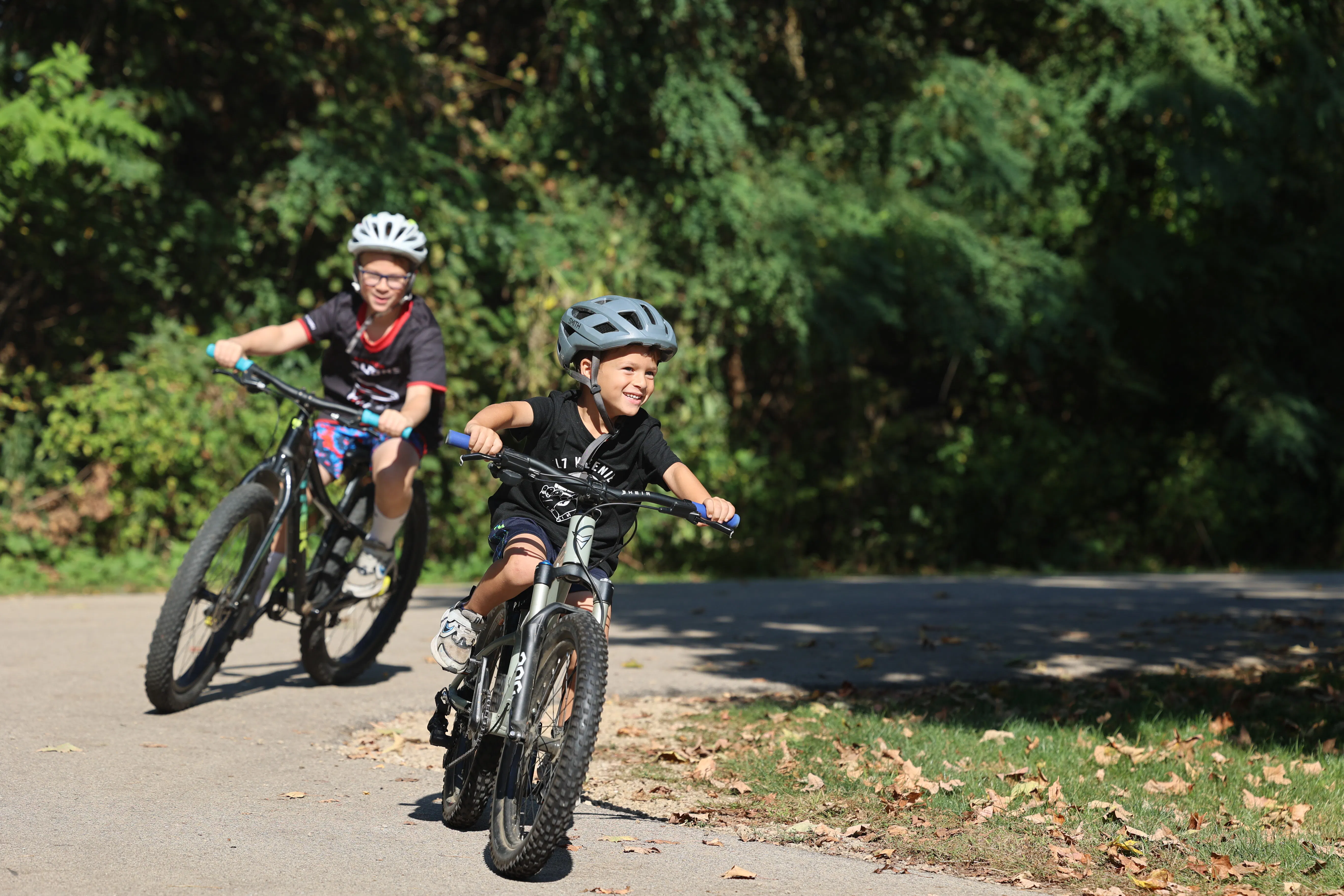
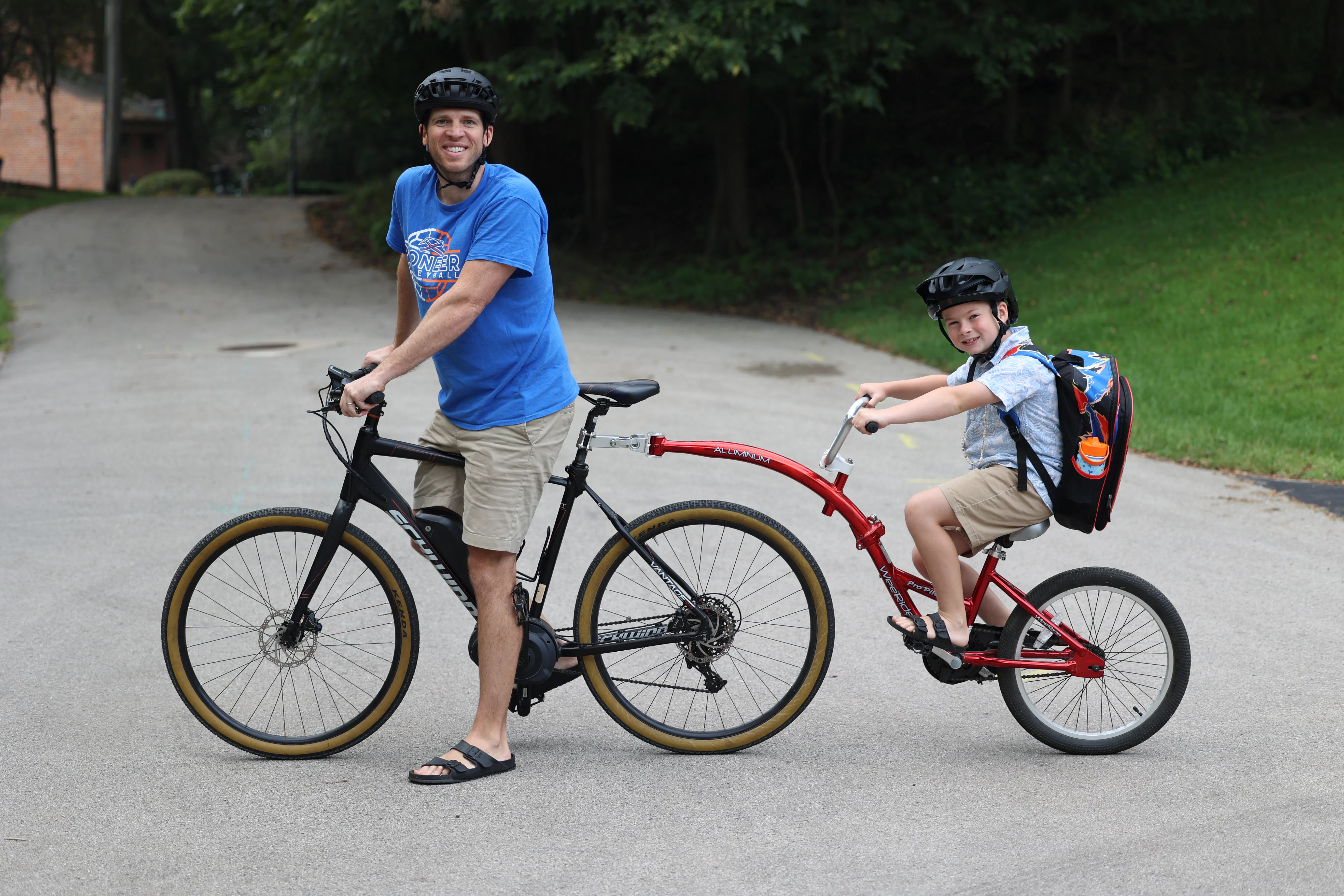
As a father of three young kids, I’ve witnessed the joy that comes from bike rides to school. The kids pop out of bed early in anticipation of the morning ride, they're chatty as we slowly pedal through our neighborhood, and they call out to their friends with pride as they roll up to school under their own power. It’s a stark contrast to when drop off is done by car.
On May 6, kids across the country will have a similar experience as they participate in National Bike and Roll to School Day, an event led by the National Center for Safe Routes to School. Schools across the country are organizing group rides, bike buses, and skill-building events to make it easier and safer for students to ride. If your school is interested in joining, you can register your event to be added to the national map of Bike and Roll festivities.
But getting kids to ride to school on one day a year isn’t the end goal. The real opportunity is what happens next. When riding feels safe, fun, and accessible, families start to choose it more often because it adds real value to their daily lives.
So what does it take to make that possible?
Building the Conditions for Kids to Ride
As a parent, I know there are a lot of factors that go into deciding how my kids get to school, but one stands out above the rest: safety. PeopleForBikes participation research shows that 62% of Americans would ride more often if safe, connected infrastructure separated them from cars.
Everyone who has commuted by bike knows that your trip usually isn’t defined by the best part of your commute, but the worst part. If there is even one segment that feels unsafe or unrideable, it ruins the experience and will make you rethink taking that route again.
That’s why at PeopleForBikes we firmly believe that to grow youth ridership, we need to continue focusing on infrastructure that connects kids to the places they want to go — school, parks, ice cream, and more!
Our team is working diligently to improve the future of bicycling by creating the systems to accelerate the construction of safe places to ride. Key programs like City Ratings and the Great Bike Infrastructure Project help identify network gaps as well as projects coming down the pipeline that can improve those networks.
This critical infrastructure won’t fund itself, which is why PeopleForBikes continues to advocate for federal, state, and local funding. Congress is expected to release a major federal infrastructure bill in the coming weeks, and PeopleForBikes has lobbied lawmakers for months to ensure this bill includes funding for safe places for kids to ride. At the state and local level, PeopleForBikes is supporting more than 100 bills and ballot initiatives across the country to help communities build the types of networks that families trust.
That work doesn’t happen in a vacuum. Partners like the Safe Routes Partnership are helping communities create safer pathways for kids to get to school, while organizations like IMBA are expanding access to trails and off-road riding opportunities. Together, these efforts are building the safe and connected networks that make riding possible in the first place.
The Next Generation of Riders
Another important piece of this ride-to-school puzzle is the programming that’s taking place in communities across the country to give kids the confidence, skills, and exposure they need to ride more often. The goal isn’t just for kids to ride to school, but to use the bike as a freedom machine to get wherever they want to go.
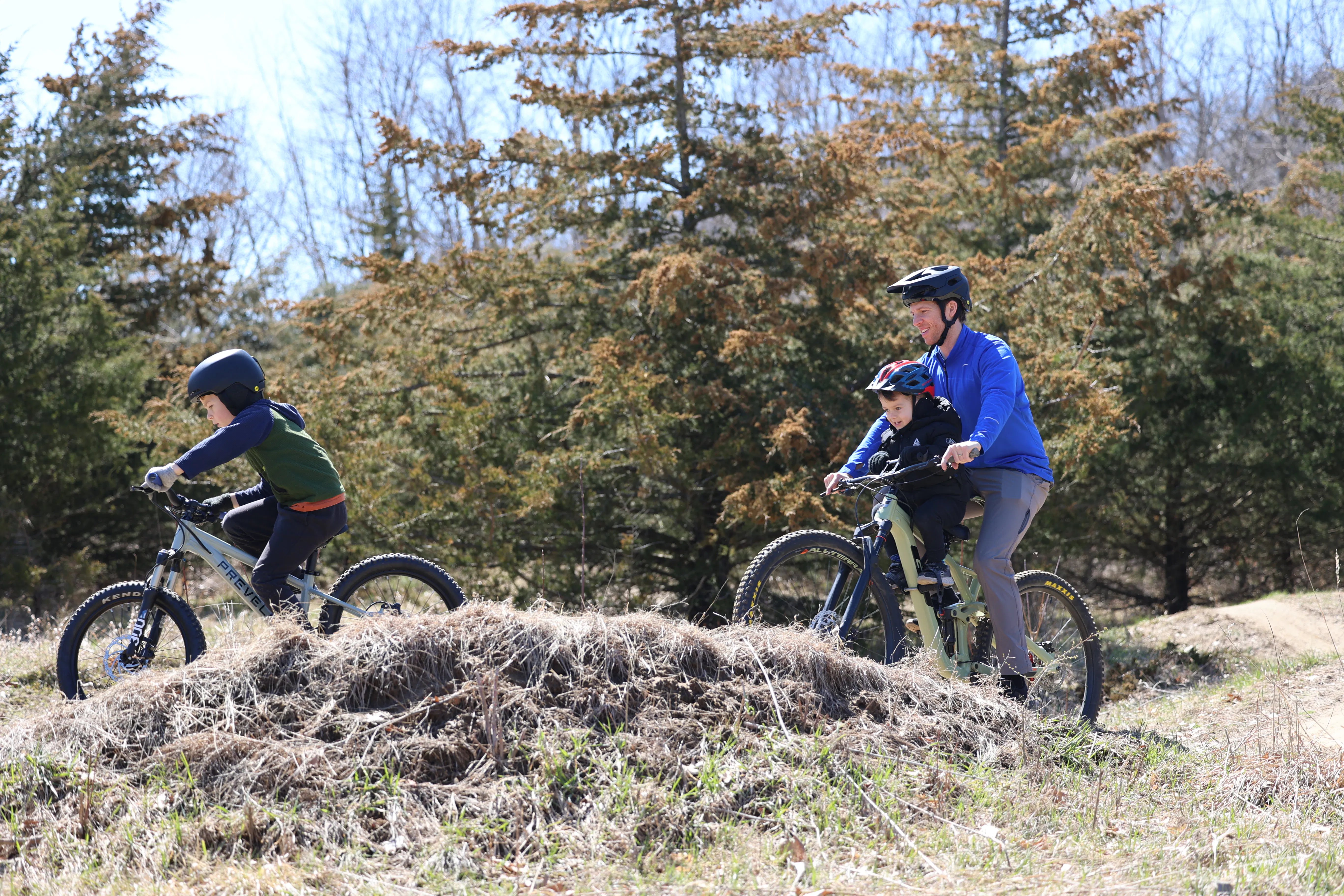
Over the last several years, a group of youth-focused organizations has collaborated to help accelerate that work. The Youth Cycling Coalition (YCC) includes 18 national organizations working to support riders from their first ride through high school graduation. As the convener of the YCC, PeopleForBikes is dedicated to connecting these organizations, aligning their efforts, and helping more kids access the programs that build confidence on a bike.
Supporting this programming will develop the next generation of riders by connecting them to opportunities to learn how to ride, practice their skills, and gain the confidence to navigate their communities by bike. Whether it’s learning to balance for the first time, riding in a group with friends, or participating in a bike bus to school, these experiences help turn a one-time ride into a regular habit.
To better understand how these programs compliment one another, we recently developed a Youth Cycling Coalition Program Diagram that illustrates how organizations across the coalition support youth at different stages of their rider journey. From first ride to riding independently to school and beyond, the pathway is clearer and more inclusive than ever.
For families looking to get started, the Youth Cycling Coalition map serves as a national entry point to find local riding opportunities. Regardless of what type of riding your kids like to do, the map helps connect kids to the people and places that make riding possible.
I’ve personally experienced the transformative impact the bicycle can have on one person’s life. Now, I’m excited my kids' generation will have the opportunity to experience that same shift in how they see and interact with the world.
Take Action

Donate Now
Bring Better Biking to Your Community