

Diversifying Manufacturing + Supply Chain: Insights from the PeopleForBikes Business Study Tour of the Carolinas
By: PeopleForBikes Staff
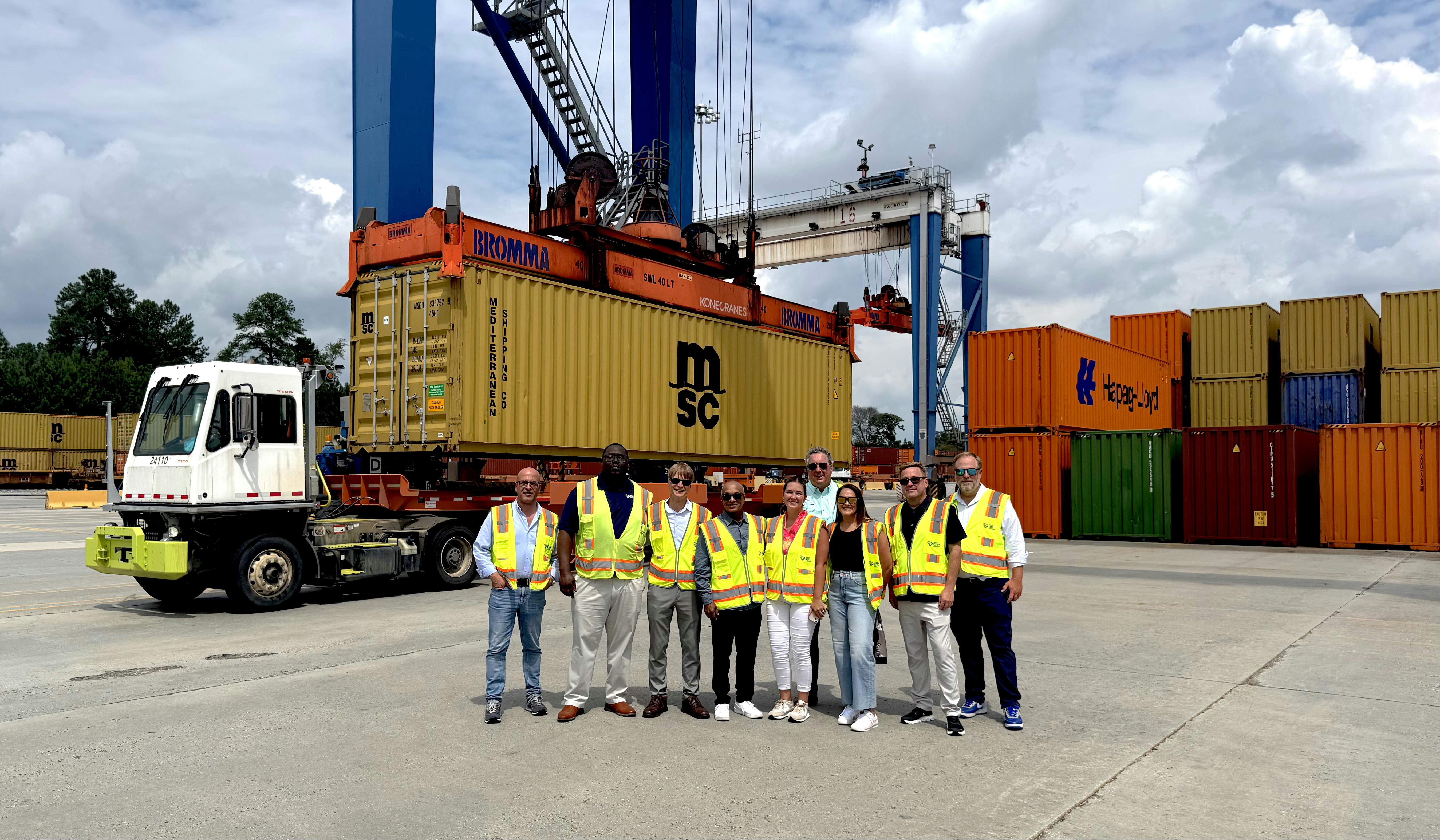
Last month, PeopleForBikes organized and led a cohort of industry leaders, policy makers and partners for a three-day study tour across North Carolina and South Carolina. Our goal: explore how regional innovation, logistics infrastructure, and global expertise can help diversify and strengthen the U.S. bicycle industry’s manufacturing, assembly and supply chains.
The Carolinas tour underscored that the U.S. has the workforce and infrastructure to support bicycle manufacturing, but also highlighted the missing piece: cost. Today, 99% of component parts are still produced overseas, and high tariffs on inputs make domestic assembly difficult to scale. The introduction of the bipartisan U.S. Bicycle Production and Assembly Act (H.R. 3904) earlier this summer is designed to close that gap, providing tariff relief and low-cost financing to give companies the certainty and access to capital they need to invest in U.S. production.
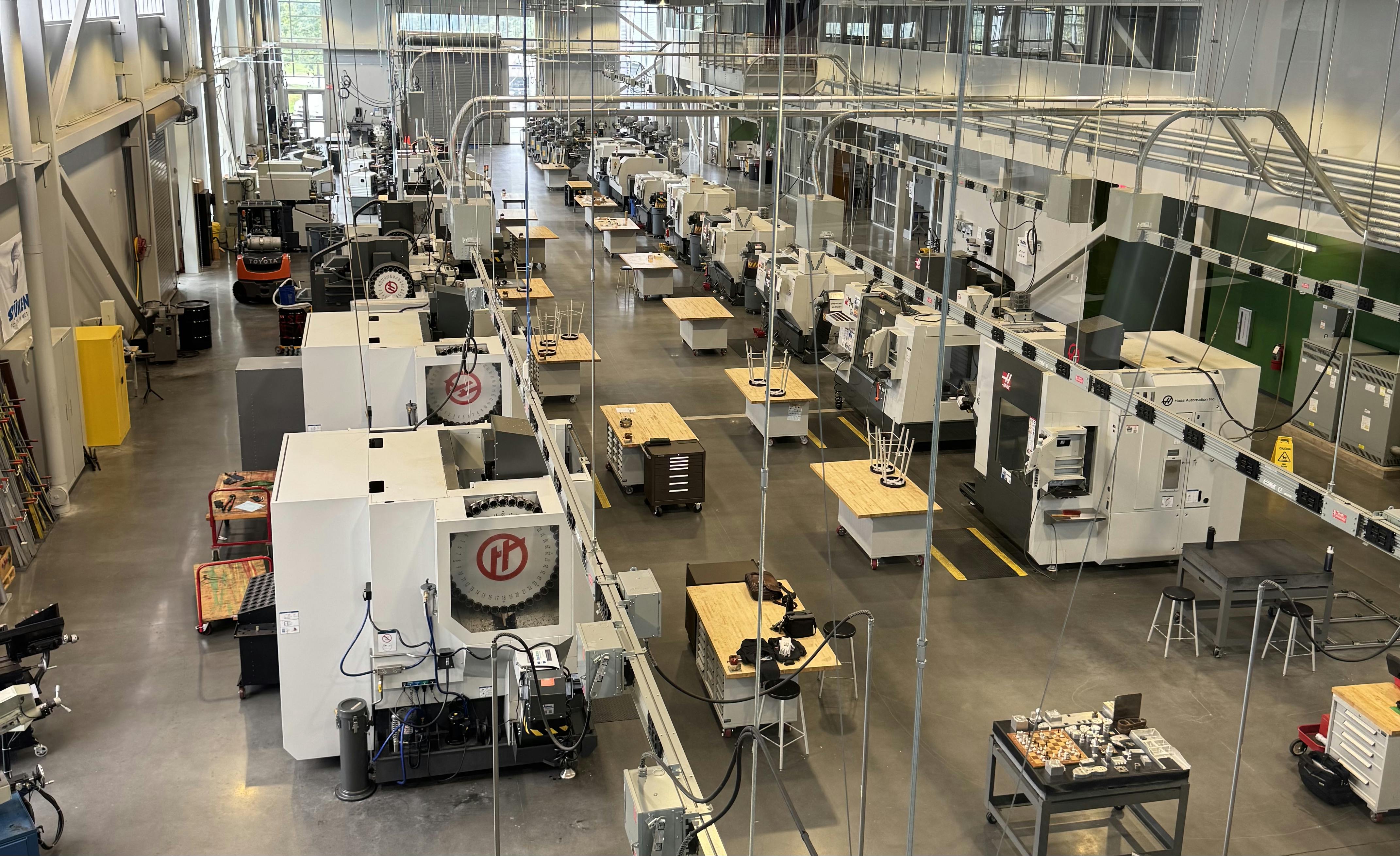
Why the Carolinas?
The region is already home to thriving automotive and aerospace industries, and its ecosystem of ports, airports, universities, and advanced manufacturing facilities makes it an emerging hub for cycling and mobility.
Day One: Welcoming at Cane Creek Cycling
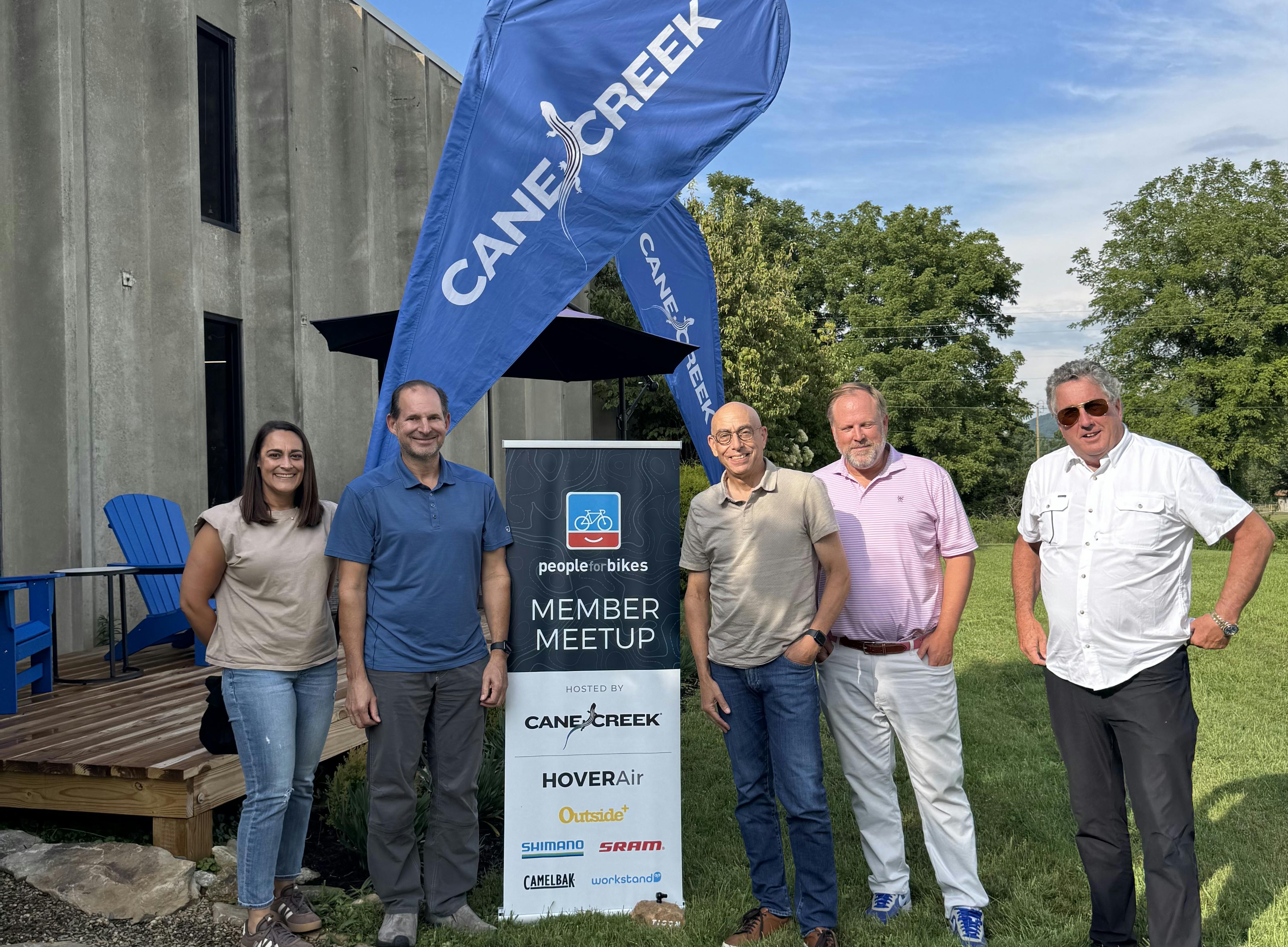
The tour kicked off in Fletcher, North Carolina, at Cane Creek Cycling, a company celebrating 50 years of innovation and excellence. Attendees toured the Experience Center, where research, product development, testing, manufacturing, and distribution all happen under one roof. The visit highlighted the advantages of localized production, tighter feedback loops, faster product development, and a stronger connection to the cycling culture that inspires their work.
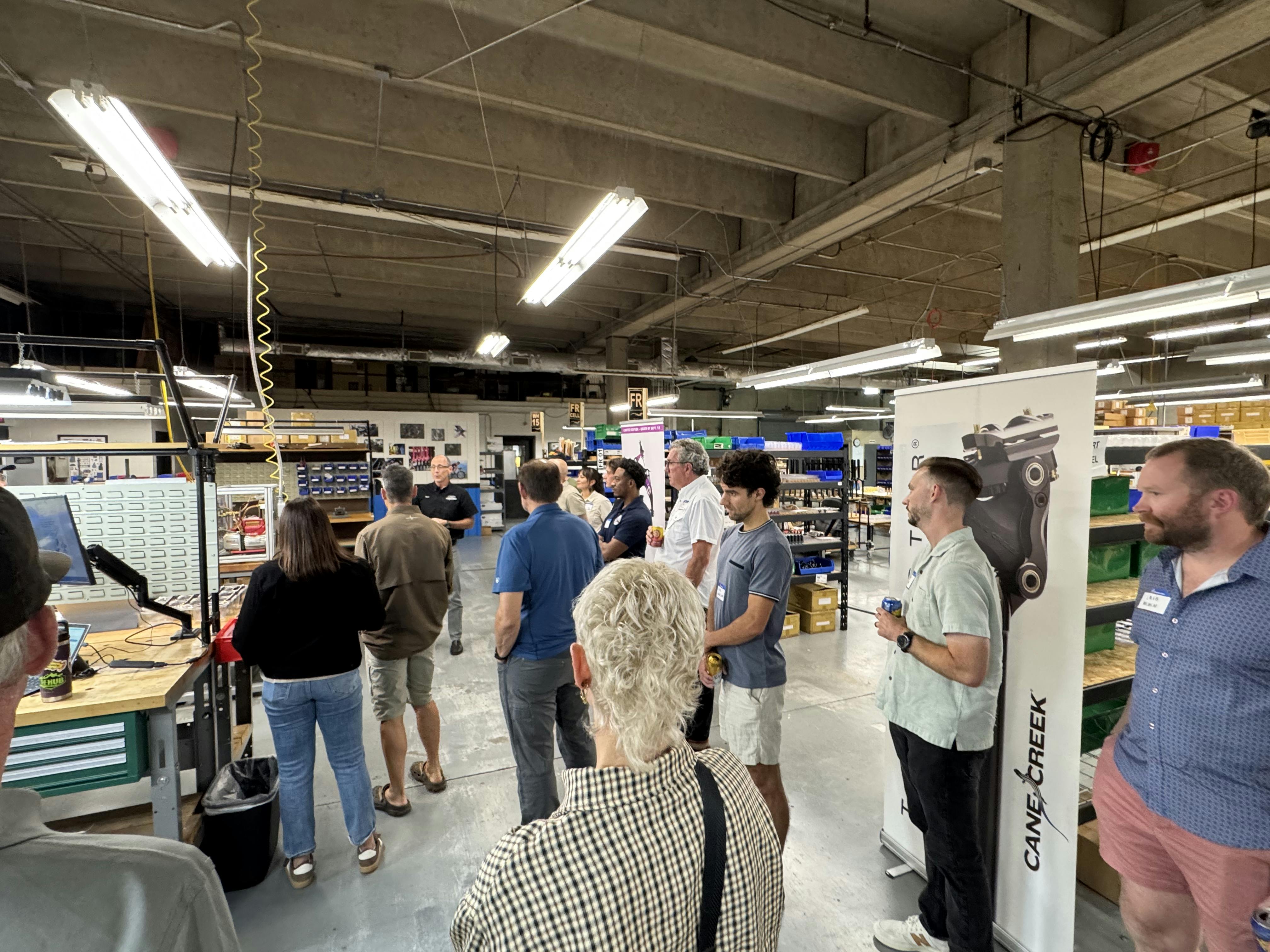
During this stop, Brian Tedesco of Blaupunkt Americas announced plans to relocate the company's manufacturing facility from South America to Western North Carolina. The move is expected to create 60–80 local jobs and produce up to 250,000 e-bikes annually. Efforts like the proposed U.S. Bicycle Production and Assembly Act would further accelerate and support this type of domestic investment, showing how policy and industry action can reinforce each other.
The evening wrapped with a welcome reception, bringing together guests from across the Carolinas to network, learn about each other’s work, and set the stage for the days ahead.
Day Two: Automation, Global Perspectives, and Logistics
The second day began at OneSpartanburg, where leaders outlined a vision to make Spartanburg a hub for cycling and mobility, building on decades of success in the automotive industry. Executive Director Laura Ringo highlighted how her work with PAL Spartanburg ties community health, equitable access, and economic development together, underscoring the tour’s theme that innovation is strongest when industry and public well-being align.
At OneSpartanburg, participants joined a panel on automation, logistics, and workforce development. Tony Karklins of TIME Bicycles shared insights on integrating advanced manufacturing with practical supply chain strategies. At the same time, regional experts pointed to how automotive infrastructure and process automation can serve as a blueprint for scaling U.S. bicycle production.
The group then shifted to a global perspective with Philippe Vaxelaire, CEO of Unibike Portugal, who explained how Europe’s Bike Valley became a manufacturing powerhouse. With its expertise in assembly, painting, and logistics, Unibike demonstrates how strategic partnerships can streamline production and deliver scale, lessons highly relevant to emerging U.S. hubs.
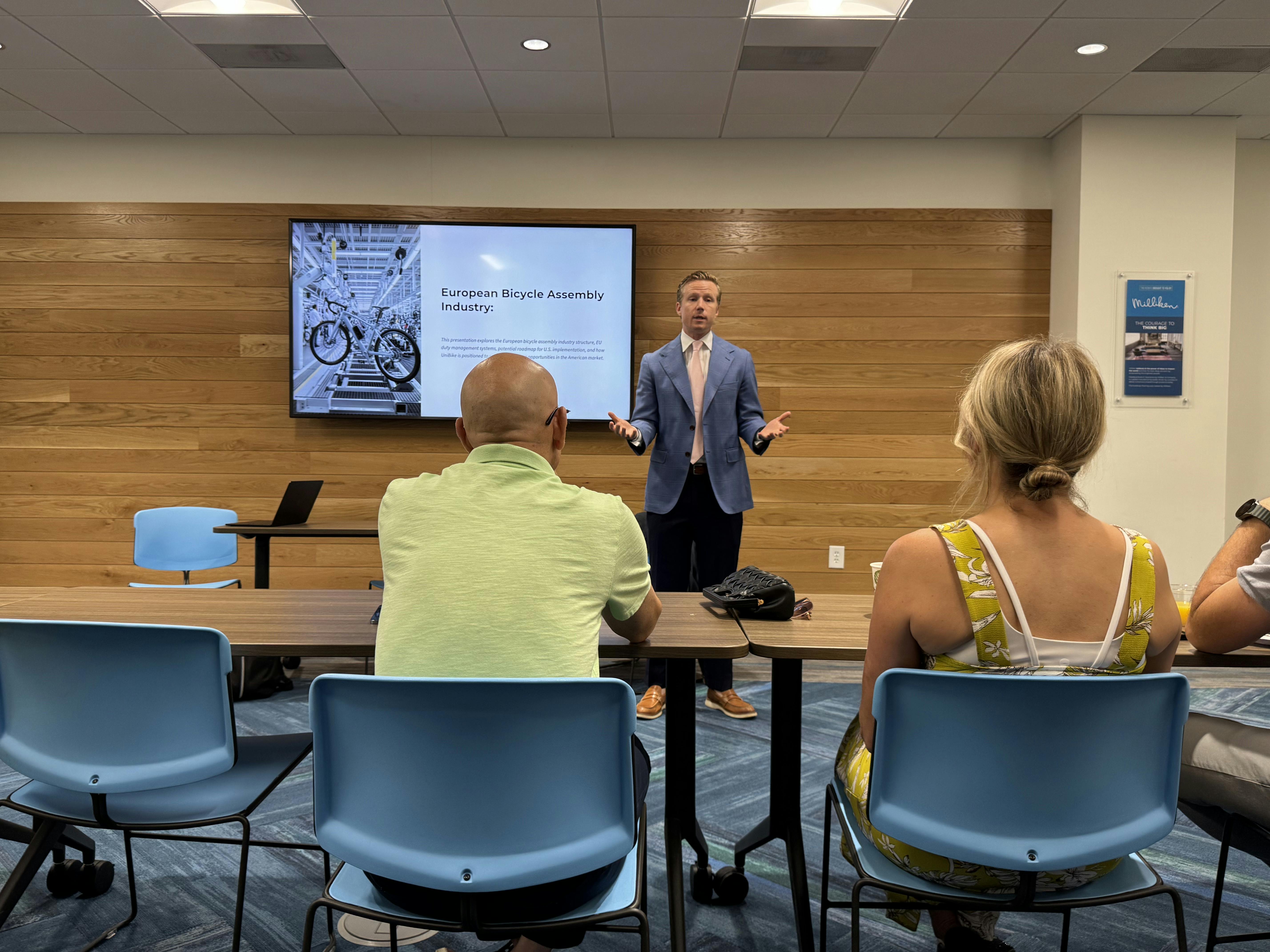
At Clemson University, Dr. Marcel Schaefer of Fraunhofer USA highlighted collaborative projects on smart manufacturing, Industry 4.0, and predictive analytics. By co-funding applied research, the South Carolina Fraunhofer Alliance is helping companies translate cutting-edge technology into real-world manufacturing solutions.
Later, at the Upstate Alliance, Tom Burke of Rudolph Logistics North America explained how Foreign-Trade Zones (FTZs) can reduce costs and improve efficiency for manufacturers, making domestic production more competitive.
The afternoon visits showcased the Carolinas’ logistics infrastructure: the Greer Inland Port, which connects manufacturers to Charleston via overnight rail and has recently doubled its cargo capacity, and Greenville–Spartanburg International Airport (GSP), a growing international cargo hub. At GSP, Cerulean Aviation demonstrated how specialized cargo services support regional supply chains. Together, these stops demonstrate how ports, airports, and logistics providers form the backbone of resilient and agile manufacturing.
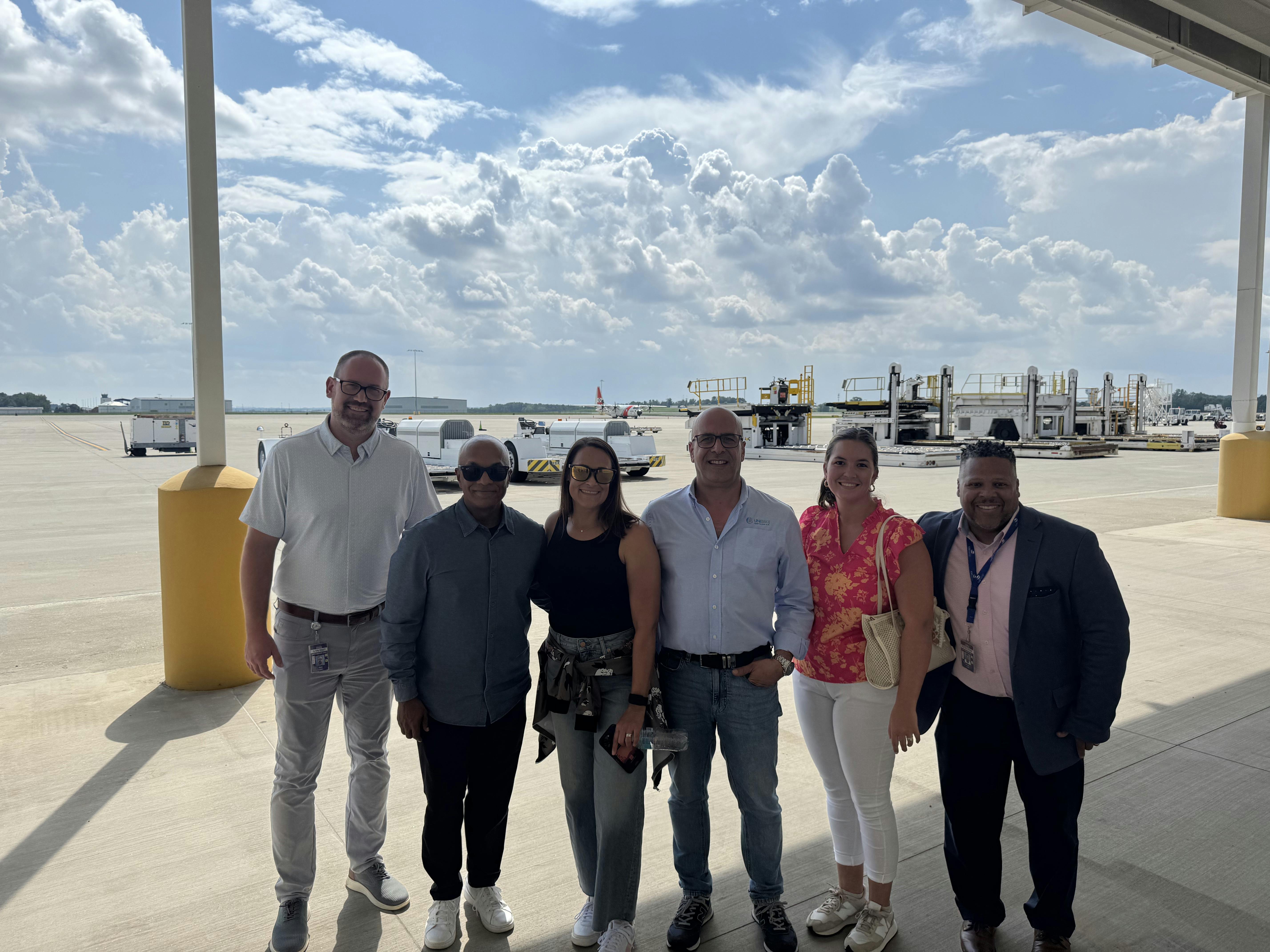
The day concluded with visits to Olive Manufacturing, Boyd Cycles, and Munich Composites, each highlighting specialized innovation and the region’s growing role in advanced cycling production.
Day Three: BMW Spartanburg Plant
The final day brought the group to the BMW Spartanburg Plant, the company’s largest global manufacturing facility. Spanning more than 8 million square feet, the plant assembles over 1,500 vehicles daily, with 60% exported worldwide. Attendees observed advanced production lines across body shops, paint shops, and assembly halls, gaining a firsthand look at scale, efficiency, and quality in action.
BMW’s continued investment underscores the region’s momentum. The company is putting more than $1.7 billion into preparing Spartanburg for electric vehicle assembly, including a new high-voltage battery plant in nearby Woodruff. For bicycle industry leaders, the takeaway was clear: building robust, regional supply chains requires not just factories but also an ecosystem of partners, infrastructure, talent, and long-term strategic vision.
For the bicycle industry, the takeaway was clear: building robust, regional supply chains requires more than factories; it requires an ecosystem of partners, infrastructure, talent, and strategic vision. The U.S. Bicycle Production and Assembly Act is designed to help build that ecosystem.
Five Key Takeaways
- Regional Strength: The Carolinas are building powerful ecosystems for advanced manufacturing, automation, and logistics.
- Cross-Industry Learning: Automotive success provides a clear roadmap for cycling and mobility.
- Global + Local Balance: European expertise, like Portugal’s Bike Valley, complements U.S. regional infrastructure.
- Infrastructure Advantage: Ports, airports, and Foreign Trade Zones unlock speed and cost efficiencies for agile supply chains.
- Workforce + Culture: A thriving outdoor and cycling culture attracts and retains skilled talent—reinforcing the industrial ecosystem.
Looking Ahead
The PeopleForBikes North Carolina and South Carolina Study Tour highlighted what’s possible when industry leaders, researchers, and policymakers rally behind a shared vision. For PeopleForBikes and our partners, these conversations mark the beginning of deeper exploration into how U.S. regions can support bike manufacturing and diversify supply chains with a highly skilled workforce.
The next step? Continuing the dialogue, building partnerships, and scaling the lessons learned—so the future of cycling manufacturing in the United States is not just global, but also proudly local.

Take Action

Donate Now
Bring Better Biking to Your Community