
Celebrating 110 Years of National Parks: Public Lands, Recreation, and Local Economies
By: Rachel Fussell, Senior Manager of Recreation Policy
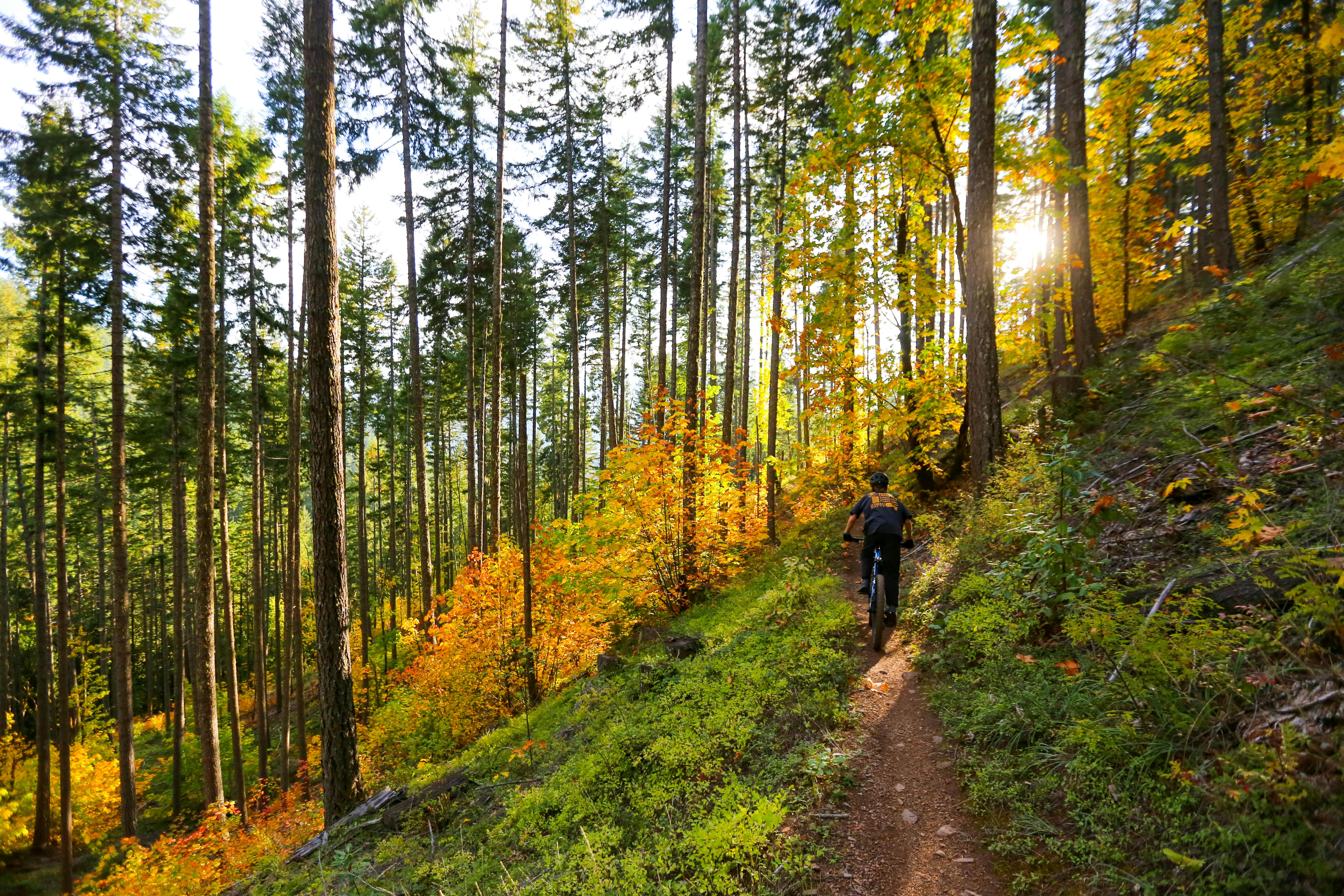
As visitation grows and recreation continues to evolve, the future of our public lands depends on thoughtful policy, collaboration, and proactive management that balances access with conservation.
2026 marks the 110th anniversary of one of our nation’s greatest assets, the National Park System. This milestone offers a powerful opportunity to reflect on the enduring value of public lands and recommit to thoughtful stewardship, access, and investment to shape the next generation of outdoor experiences.
Public lands are among our nation’s most powerful shared assets. They connect people to nature, support healthy communities, and anchor local and regional economies. As visitation grows and recreation continues to evolve, the future of these places depends on thoughtful policy, collaboration, and proactive management that balances access with conservation.
Outdoor recreation is already a proven economic engine, particularly for rural and gateway communities. Trails, parks, and public lands create jobs, attract visitors, and sustain small businesses—from bike shops and outfitters to lodging, restaurants, and tourism services. At the same time, recreation delivers benefits that go well beyond dollars and cents. Access to public lands improves physical and mental health, builds community connection, and fosters a conservation ethic rooted in firsthand experience. As visitation increases and recreation continues to evolve, collaboration and smart policy will be essential to ensure these places remain resilient, welcoming, and protected.
Over the past several years, bipartisan momentum has demonstrated what’s possible when the bike industry, advocates, land managers, and policymakers work together. Legislative wins such as the EXPLORE Act reflect a growing commitment to modernizing outdoor recreation policy, improving recreation planning, and supporting gateway communities while maintaining strong conservation values.
This momentum continues with the introduction of the America the Beautiful Act, a bipartisan proposal that would reauthorize and strengthen long-term investment in public lands infrastructure. By building on the success of the Great American Outdoors Act, this legislation would help address deferred maintenance, improve trails and facilities, and enhance access across national parks and other federal public lands. For the outdoor recreation community, this represents a critical opportunity to invest in the places that make recreation possible — ensuring public lands are safe, accessible, and ready to meet growing demand.
At the same time, land managers are increasingly embracing data-driven approaches to recreation access. Recent progress opening more trails to Class 1 electric mountain bikes illustrates how thoughtful, locally informed decisions can broaden participation while remaining compatible with existing trail frameworks. These efforts help more people — older riders, people with disabilities, and new riders — experience public lands responsibly.
None of this progress happens alone. Coalitions like PeopleForBikes and our partners at the Outdoor Recreation Roundtable play a vital role in aligning diverse voices across industry, conservation, recreation, and tourism. By advancing shared priorities and bipartisan solutions, partners help ensure public lands policies reflect on-the-ground realities and deliver benefits for communities, land managers, and outdoor users.
As we celebrate 110 years of National Parks, this moment calls for renewed commitment. Continued investment, collaborative stewardship, and responsible access are essential to sustaining the outdoor experiences Americans value and the economies that depend on them. Bicycling will continue to be an important part of that future, offering a low-impact, healthy, and accessible way for people to connect with our public lands and each other.
Together, with partners across the outdoor recreation community, we can ensure that public lands continue to inspire, support local economies, and provide meaningful recreation opportunities for the next 110 years and beyond.

Take Action

Donate Now
Bring Better Biking to Your Community